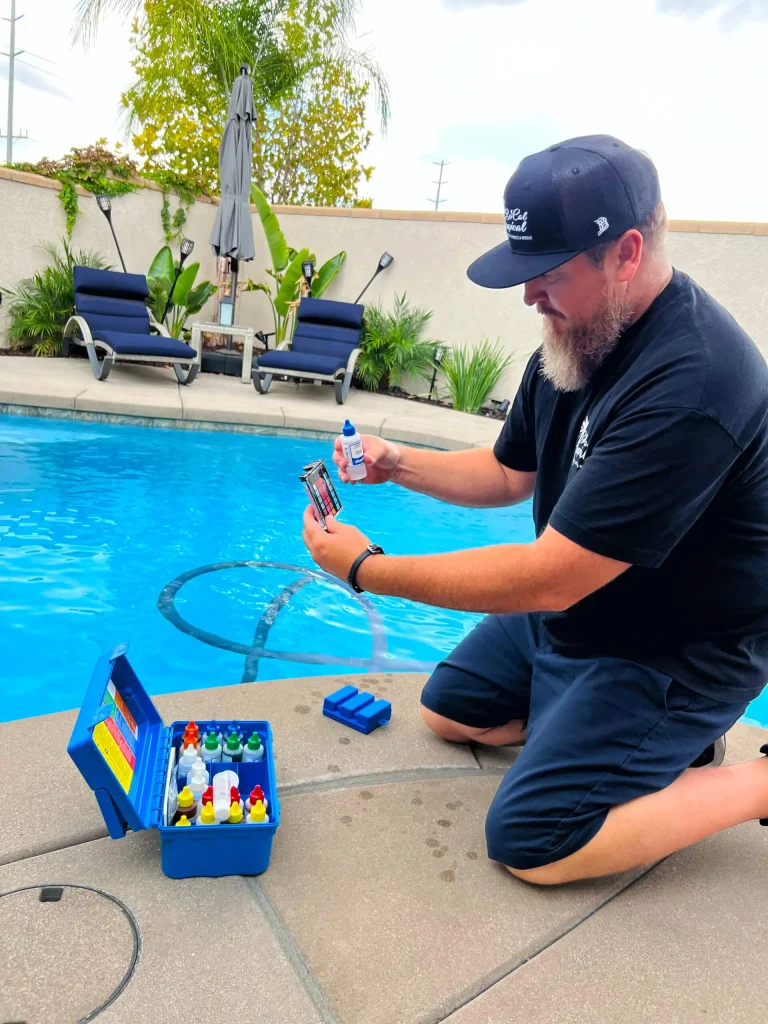
A sparkling blue pool is one of the best parts of owning a home in the Greater Houston area — but keeping it that way takes more than just tossing in a few chemicals now and then. Houston’s heat, humidity, and unpredictable storms create the perfect environment for pool problems to sneak up on unsuspecting homeowners. Understanding what damages your pool is the first step to protecting your investment and enjoying clean, safe water all year long.
In this guide, we’ll break down the most common culprits behind pool damage, water quality issues, and costly repairs — and what you can do to prevent them.
Chemical Imbalances
One of the most damaging things for any pool is an imbalanced chemical level. Whether it’s chlorine, pH, alkalinity, or calcium hardness, even small imbalances can cause big problems over time.
Low or High Chlorine Levels
Too little chlorine allows bacteria and algae to thrive, turning your pool cloudy or green. Too much chlorine, on the other hand, can irritate skin and eyes, bleach pool liners, and corrode metal components like ladders and handrails.
Unbalanced pH Levels
When pH drifts too high or too low, it affects everything else in your pool. Low pH makes water corrosive, damaging pool equipment, tile grout, and even skin. High pH causes scaling, cloudy water, and reduces chlorine’s effectiveness.
Alkalinity Issues
Alkalinity acts as a buffer for pH. When it’s off balance, pH levels swing unpredictably, making it much harder to maintain clean, safe water.
Also read: Humidity Solutions for Pools: How Houston Homeowners Can Control Moisture Year-Round
Debris and Organic Matter
Houston’s lush landscaping and mature trees are beautiful — but they’re not so great for pool water. Leaves, twigs, pollen, and grass clippings that fall into your pool break down over time, feeding algae and bacteria while clogging filters and skimmers.
Organic debris also uses up chlorine faster, meaning your sanitizer works overtime just to keep up with waste instead of protecting swimmers.
Standing Debris in the Skimmer Basket
A neglected skimmer basket packed with leaves reduces water flow to your filtration system, forcing your pump to work harder and wear out faster.
Houston Weather: Heat, Humidity, and Storms
Local weather plays a bigger role in pool health than most homeowners realize.
Extreme Heat
Houston summers regularly push temperatures into the high 90s. Warm water is a breeding ground for algae and bacteria, and heat also causes chlorine to burn off faster, requiring more frequent monitoring and dosing.
Heavy Rain and Storms
Sudden downpours — common during Houston’s hurricane season — dilute your pool’s chemical balance and introduce debris, dirt, and runoff from your yard. This can quickly turn clear water cloudy or green if not treated promptly after a storm.
Humidity
High humidity slows evaporation, which sounds harmless, but it also means chemical off-gassing is reduced, allowing pollutants to linger longer in the water and around the pool deck.
Hard Water and Mineral Buildup
Much of the Greater Houston area deals with hard water, which contains high levels of calcium and other minerals. Over time, hard water leads to:
- Scale buildup on tile, pool walls, and equipment
- Cloudy or dull-looking water
- Clogged filters and reduced circulation
- Premature wear on heaters and pumps
Regularly testing calcium hardness and using a sequestering agent can help minimize these effects.
Poor Filtration and Circulation
Your pool’s filter and pump are the heart of its cleaning system. When they’re neglected, problems multiply fast.
Dirty or Clogged Filters
A dirty filter can’t trap contaminants effectively, allowing debris and bacteria to recirculate through your pool instead of being removed.
Inadequate Run Time
Running your pump for too few hours each day — especially during hot Houston summers — prevents proper water turnover, leading to algae blooms and bacterial growth.
Aging Equipment
Old or malfunctioning pumps, filters, and heaters struggle to keep water properly circulated and heated, creating conditions where algae and bacteria can flourish.
Algae Growth
Algae is one of the most visible and frustrating pool problems, and it thrives in Houston’s warm, humid climate. It spreads quickly when:
- Chlorine levels are too low
- Circulation is poor
- Phosphate levels (from fertilizers and organic debris) are high
- Pools sit unused or uncovered for long periods
Once algae takes hold, it can stain plaster, clog filters, and make surfaces slippery and unsafe.
Also read: Types of Swimming Pool Algae: What Houston Pool Owners Need to Know
Human Factors: Sunscreen, Oils, and Body Waste
It’s not just the environment — swimmers themselves introduce contaminants every time they jump in.
Sunscreen and Lotions
Oils and chemicals from sunscreen create a film on the water’s surface, clogging filters and reducing chlorine’s effectiveness.
Body Oils and Sweat
Natural body oils, sweat, and cosmetics add organic material to the water, which can lead to cloudiness and unpleasant odors if not properly filtered.
Urine and Waste
Contrary to popular belief, urine in pools doesn’t just make water uncomfortable — it reacts with chlorine to create chloramines, which cause that strong “chlorine smell” people often mistake for good sanitation. In reality, that smell means your pool needs more chlorine, not less.
Wildlife and Pests
In the Houston area, it’s not unusual to find frogs, insects, or even small critters visiting your pool. While mostly harmless, wildlife can introduce bacteria, parasites, and debris into the water. Mosquitoes are a particular concern, as stagnant or poorly maintained pools become prime breeding grounds.
Neglect and Inconsistent Maintenance
Perhaps the single biggest threat to any pool is inconsistent maintenance. Skipping regular testing, cleaning, and equipment checks allows small problems to snowball into expensive repairs.
Signs of neglect often include:
- Cloudy or green water
- Slippery or stained surfaces
- Strong chemical odors
- Rising energy bills due to overworked equipment
- Frequent algae blooms
Routine professional maintenance catches these issues early — before they become costly headaches.
How to Protect Your Pool
The good news is that most pool damage is preventable with the right care routine:
- Test water chemistry regularly (ideally 2–3 times per week in summer)
- Skim and vacuum debris frequently, especially after storms
- Run your pump for adequate hours daily based on pool size
- Clean filters on a consistent schedule
- Shock your pool after heavy use or rainfall
- Schedule professional inspections to catch equipment issues early
Conclusion
Houston’s heat, humidity, storms, and hard water create unique challenges for pool owners — but with consistent care, these issues are entirely manageable. Understanding what’s bad for a pool, from chemical imbalances to organic debris and weather-related stress, empowers you to catch problems before they become expensive repairs.
If maintaining the perfect balance feels overwhelming, you don’t have to do it alone. A professional pool cleaning service familiar with the Greater Houston area’s specific climate challenges can keep your water crystal clear, your equipment running smoothly, and your pool ready for swimming all season long. Reach out today to schedule a cleaning and give your pool the expert care it deserves.
Contact us for Pool Service in Houston