Nothing beats cooling off in a swimming pool during a hot Houston afternoon. Whether it’s your backyard oasis or a neighborhood community pool, swimming is one of the best ways to stay active and beat the Texas heat. But here’s something many pool owners don’t think about: pools can harbor bacteria, viruses, and parasites that cause a range of infections if the water isn’t properly maintained.
Understanding what infections you can get from swimming pools—and how to prevent them—is essential for keeping your family safe all summer long. In this guide, we’ll break down the most common pool-related illnesses, how they spread, and what you can do to protect your pool water.
Why Swimming Pools Can Make You Sick
Pools are shared bodies of water, which means they’re constantly exposed to sweat, sunscreen, dirt, and even trace amounts of fecal matter from swimmers. Without proper sanitation and chlorine levels, these contaminants create the perfect breeding ground for harmful microorganisms.
The Centers for Disease Control and Prevention (CDC) notes that recreational water illnesses (RWIs) are more common than most people realize. Houston’s warm, humid climate only makes matters worse, as bacteria and algae multiply faster in warmer water temperatures.
This is why routine pool maintenance and water testing are so important—not just for crystal-clear water, but for your health.
Common Infections You Can Get From Swimming Pools
1. Recreational Water Illnesses (RWIs)
RWIs are the umbrella term for infections caused by germs spread through contaminated pool water. The most frequent culprit is Cryptosporidium (or “Crypto”), a chlorine-resistant parasite that causes watery diarrhea. Crypto is notoriously difficult to kill because it can survive in properly chlorinated water for days.
Other RWIs include gastrointestinal illnesses caused by E. coli and Giardia, both of which spread when swimmers accidentally swallow contaminated water.
2. Swimmer’s Ear (Otitis Externa)
Swimmer’s ear is one of the most common pool-related infections, especially among children. It occurs when water gets trapped in the ear canal, creating a moist environment where bacteria like *Pseudomonas aeruginosa* thrive.
Symptoms include ear pain, itching, redness, and sometimes discharge. While not usually serious, swimmer’s ear can be uncomfortable and may require antibiotic ear drops to clear up.
3. Skin Infections
Pools with poor sanitation can expose swimmers to bacteria that cause skin rashes, folliculitis, and hot tub rash (caused by Pseudomonas bacteria). This is especially common in pools and hot tubs where chlorine levels are too low to kill bacteria effectively.
Symptoms often include red, itchy bumps that can resemble acne or insect bites, typically appearing a day or two after swimming.
4. Athlete’s Foot and Fungal Infections
Damp pool decks, locker rooms, and shower areas are breeding grounds for fungi like athlete’s foot (tinea pedis). While this isn’t caused by the pool water itself, walking barefoot around pool areas increases your risk of picking up fungal infections.
5. Respiratory Infections
Poorly maintained indoor pools with high chlorine byproducts (chloramines) can trigger respiratory irritation. Additionally, Legionella bacteria—which causes Legionnaires’ disease—can grow in pool water, hot tubs, and pool decks if disinfection systems aren’t properly maintained.
6. Eye Infections
Contrary to popular belief, red, irritated eyes after swimming aren’t caused by “too much chlorine.” They’re often a sign of chloramines—a byproduct formed when chlorine mixes with sweat, urine, and other contaminants. In some cases, bacterial eye infections like conjunctivitis (pink eye) can also spread through contaminated pool water.
Also read: What Chemical Keeps Swimming Pools Clean?
How These Infections Spread
Most pool-related infections spread through:
- Swallowing contaminated water
- Contact with contaminated surfaces (pool decks, ladders, diving boards)
- Skin-to-water contact when cuts or open wounds are exposed to bacteria
- Water trapped in ears or nasal passages
The more swimmers use a pool without proper filtration and sanitation, the higher the risk of contamination. This is especially true for pools that see heavy use during Houston’s long swimming season, which can stretch from March through October.
How to Prevent Pool-Related Infections
The good news? Most swimming pool infections are entirely preventable with proper pool care and a few simple habits.
Maintain Proper Chemical Balance
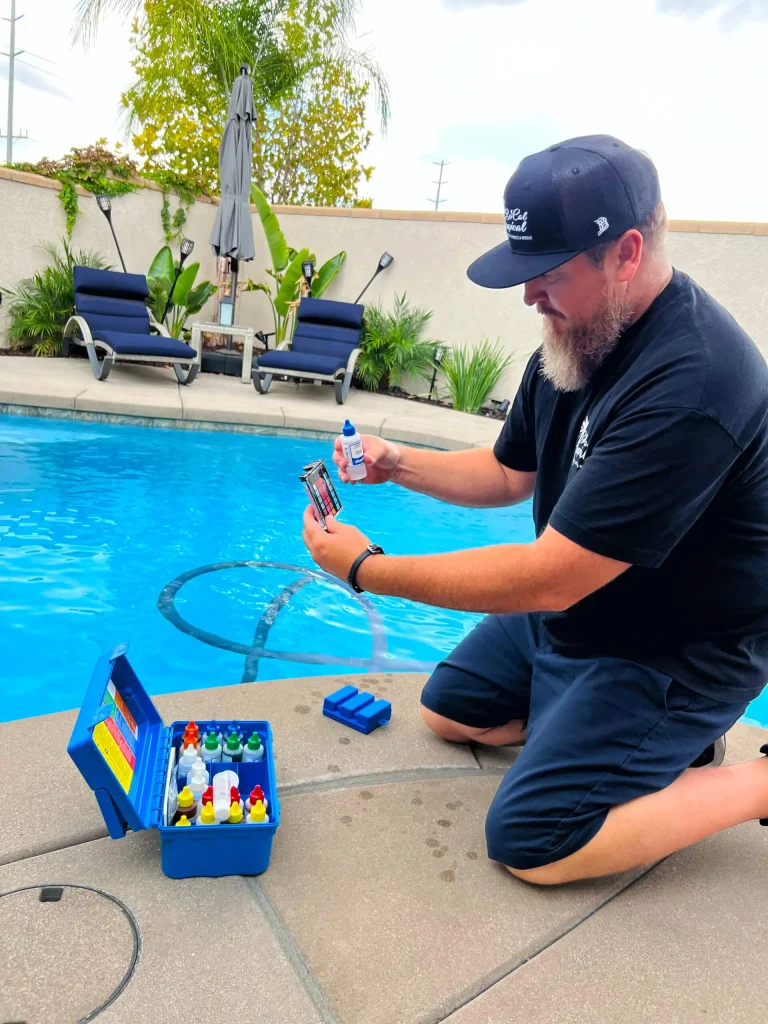
Chlorine and pH levels need to stay within recommended ranges to effectively kill bacteria and parasites. Testing your water regularly—or better yet, having a professional pool cleaning service test and adjust it for you—ensures your pool stays safe for swimming.
Shower Before and After Swimming
Rinsing off before entering the pool removes sweat, lotions, and bacteria from your skin, reducing the number of contaminants introduced into the water. Showering afterward helps wash away any lingering bacteria or chlorine byproducts.
Don’t Swim When Sick
If you or your children have had diarrhea recently, it’s best to stay out of the pool for at least two weeks. This simple step helps prevent the spread of Crypto and other RWIs to other swimmers.
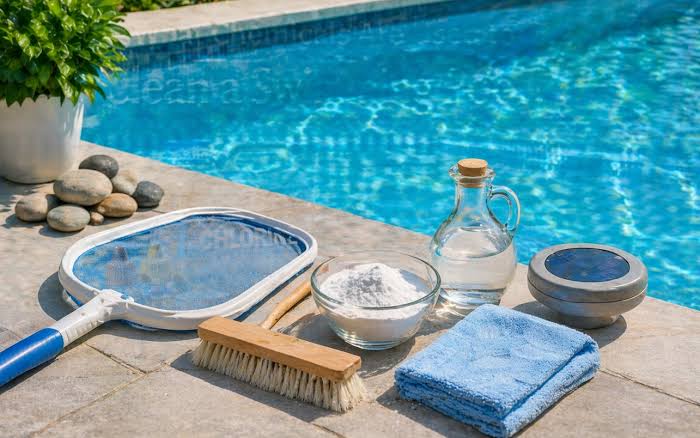
Keep Pool Equipment Clean
Filters, pumps, and skimmers should be cleaned and inspected regularly. A clogged or malfunctioning filtration system can’t effectively remove bacteria and debris from the water.
Dry Ears Thoroughly
To prevent swimmer’s ear, dry your ears completely after swimming. Tilting your head to each side or using a towel corner can help remove trapped water.
Avoid Walking Barefoot in Common Areas
Wear sandals or water shoes around pool decks and locker rooms to reduce your risk of fungal infections like athlete’s foot.
Why Professional Pool Maintenance Matters
While these prevention tips help, the most effective way to keep your pool infection-free is through consistent, professional maintenance. Many pool owners underestimate how quickly water chemistry can shift, especially in Houston’s hot and humid climate, where bacteria and algae growth accelerate.
A professional pool cleaning service can:
- Test and balance chlorine, pH, and alkalinity levels
- Inspect and clean filtration systems
- Identify early signs of bacterial or algae growth
- Ensure your pool meets local health and safety standards
- Save you time and reduce the guesswork of DIY pool care
Regular professional servicing doesn’t just keep your pool looking great—it protects your family, friends, and guests from preventable infections.
Also read: Pool Pump Maintenance: The Complete Guide to Keeping Your Pool Running Smoothly
Final Thoughts
Swimming pools offer endless summer fun, but they also come with health risks if not properly maintained. From swimmer’s ear and skin rashes to more serious parasitic infections like Cryptosporidium, the risks are real—but manageable.
By staying on top of water testing, sanitation, and pool hygiene, you can significantly reduce the chances of infection for you and your family. And if pool maintenance feels overwhelming, partnering with a trusted Houston-area pool cleaning service ensures your water stays clean, balanced, and safe all season long.
Don’t let hidden bacteria ruin your summer fun. Schedule a professional pool inspection today and enjoy worry-free swimming all season long.
Contact us today to schedule your pool cleaning service in the Houston area.