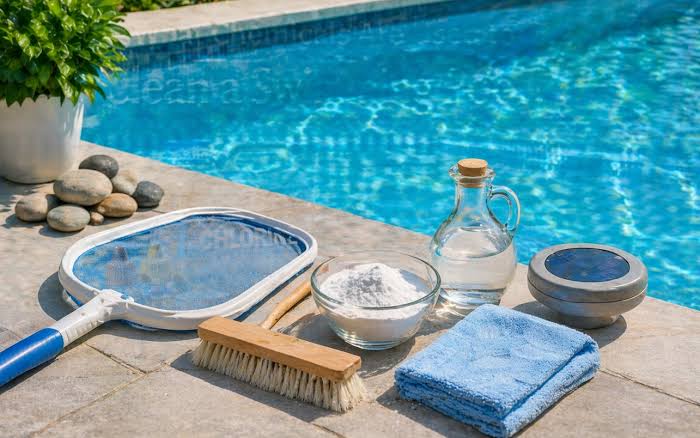
If you’ve walked outside to find your once-sparkling blue pool now resembling a swamp, you’re probably panicking a little. The good news? Yes, a green pool can absolutely be cleaned and restored to crystal-clear condition. Whether the discoloration happened overnight after a storm or crept up slowly over a few weeks of neglect, green pool water is a common and completely fixable problem.
At our pool cleaning service, we help homeowners across the Greater Houston area rescue green, cloudy, and algae-filled pools every single week — especially during the hot, humid summer months when algae growth thrives. In this article, we’ll explain why pools turn green, whether you can fix it yourself, and when it’s time to call in professional help.
Why Does a Pool Turn Green?
Before jumping into solutions, it helps to understand the cause. A green pool almost always comes down to one culprit: algae.
Algae Growth
Algae spores are naturally present in the environment and can enter your pool through rain, wind, swimwear, or even pool toys. Under the right conditions — warm water, sunlight, and low sanitizer levels — these spores multiply rapidly, turning your water green, yellow, or even black.
Low or Imbalanced Chlorine Levels
Chlorine is your pool’s primary defense against algae and bacteria. When chlorine levels drop too low (often due to heavy rain, high bather load, or simply forgetting to maintain the pool), algae gets the opportunity it needs to bloom.
Poor Filtration or Circulation
If your pool pump or filter isn’t running long enough — or isn’t working properly — debris and contaminants build up, creating the perfect breeding ground for algae.
Houston’s Climate Makes It Worse
Houston’s hot, humid, and rainy climate is essentially an algae incubator. Frequent thunderstorms dilute chlorine levels, while high temperatures accelerate algae growth. This is why green pools are especially common here compared to drier climates.
Is a Green Pool Dangerous to Swim In?
Yes. A green pool isn’t just unattractive — it can pose real health risks. Algae blooms often indicate low sanitizer levels, which means bacteria like *E. coli* and other pathogens could be thriving as well. Swimming in green water can lead to skin irritation, ear infections, and other illnesses. It’s best to avoid swimming until the pool has been properly treated and tested.
Can You Clean a Green Pool Yourself?
In many cases, yes — with patience, the right chemicals, and proper equipment, homeowners can bring a green pool back to life. However, the process takes time (usually several days) and requires consistent monitoring.
Step 1: Test the Water
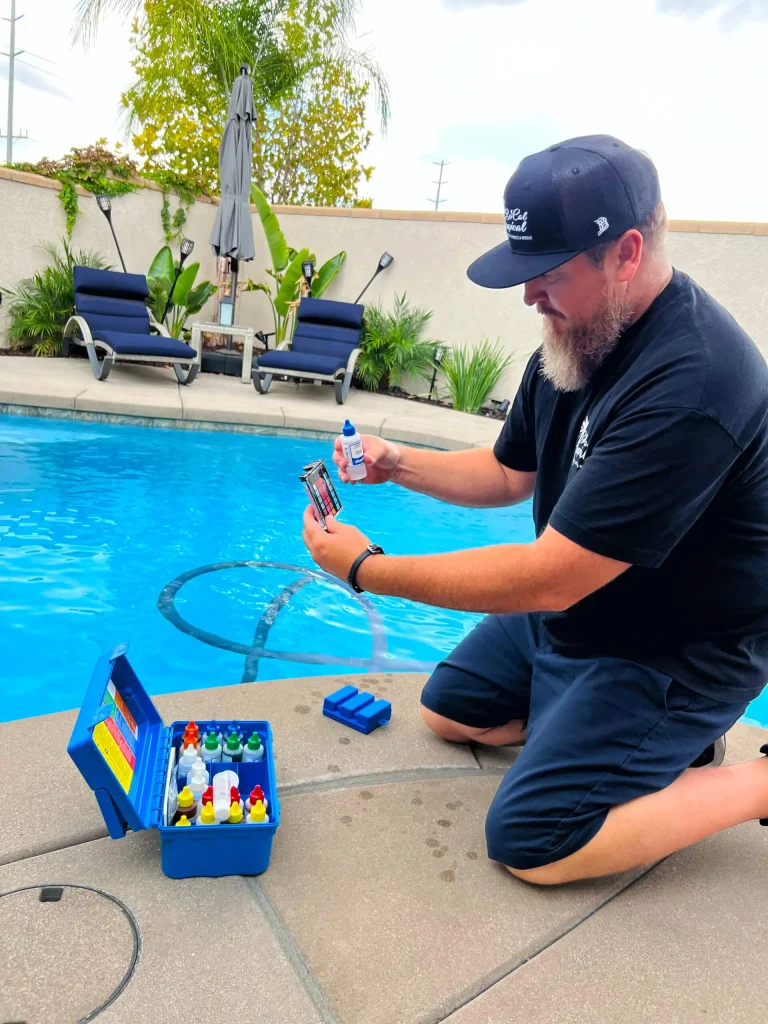
Start by testing your pool’s pH, alkalinity, and chlorine levels. Most green pools have a pH that’s out of balance and chlorine levels near zero. Adjusting these levels first will make your treatment far more effective.
Step 2: Remove Debris
Skim out leaves, twigs, and other visible debris. Brush the walls and floor of the pool to loosen algae that has attached to surfaces — this helps chemicals penetrate more effectively.
Step 3: Shock the Pool
“Shocking” involves adding a large dose of chlorine to rapidly kill algae and bacteria. For a green pool, you’ll typically need 2-3 times the normal shock dose, depending on severity.
Step 4: Run the Filter Continuously
After shocking, run your pool pump and filter 24/7 until the water clears. This may take anywhere from 24 hours to several days, depending on how severe the algae bloom is.
Step 5: Vacuum and Backwash
As algae dies, it will sink to the bottom of the pool. You’ll need to vacuum this debris out (ideally to waste, bypassing the filter) and backwash your filter regularly to prevent clogging.
Step 6: Re-Test and Balance
Once the water clears, re-test your chemical levels and adjust as needed. Green pools often go through several rounds of cloudy, hazy, or slightly discolored water before becoming perfectly clear.
Also read: Green Pool Cleaning in Houston: How to Restore Your Pool from Algae to Swim-Ready Fast
When DIY Isn’t Enough
While DIY methods work for mild cases, some green pools require professional intervention. Consider calling in an expert if:
- The green color is extremely dark or the water is opaque (you can’t see the bottom of the pool)
- You’ve tried shocking the pool multiple times with no improvement
- Your filter or pump isn’t functioning properly
- You’re dealing with recurring algae blooms despite regular maintenance
- You simply don’t have the time to monitor and treat the pool daily for several days
Severe algae blooms can also stain pool surfaces, especially plaster and vinyl liners, if left untreated for too long. The longer a pool stays green, the higher the risk of permanent discoloration or equipment damage.
How Professional Pool Cleaners Restore Green Pools
When you call a professional pool cleaning service, the process is typically faster and more thorough than DIY methods. Here’s what you can expect:
Comprehensive Water Testing
Professionals use advanced testing equipment to get precise readings on chlorine, pH, alkalinity, calcium hardness, and metal content — factors that DIY test strips often miss.
Professional-Grade Chemicals
Pool technicians have access to stronger, faster-acting algaecides and shock treatments not typically available at retail stores, allowing for quicker results.
Equipment Inspection
A professional will also check your pump, filter, and skimmer to make sure your equipment isn’t part of the problem. Even the best chemical treatment won’t work long-term if your filtration system is failing.
Full Cleaning Service
Beyond chemicals, professionals will brush, vacuum, and skim your pool thoroughly, removing dead algae and debris that could otherwise recontaminate the water.
Faster Turnaround
While a DIY green-to-clean process can take a week or longer, professional treatment often restores swimmable water within 24 to 72 hours, depending on severity.
Also read: What Is the Cost to Clean a Green Pool?
How to Prevent Your Pool From Turning Green Again
Once your pool is clear, prevention is key — especially in Houston’s algae-friendly climate.
- Maintain consistent chlorine levels, even during rainy periods
- Run your pump and filter for at least 8-10 hours daily
- Brush your pool walls weekly to prevent algae from taking hold
- Test water chemistry regularly, ideally 2-3 times per week
- Schedule routine professional maintenance, especially during peak summer months
Regular professional pool service can catch small chemical imbalances before they spiral into a full-blown green pool crisis.
Final Thoughts
So, can a green pool be cleaned? Absolutely — in almost every case, a green pool can be restored to a safe, sparkling condition with the right combination of chemicals, equipment, and patience. Whether you tackle it yourself or call in professional help, the key is acting quickly before algae has a chance to stain surfaces or damage equipment.
If you’re dealing with a green pool anywhere in the Greater Houston area, our team is ready to help. We specialize in fast, effective green-to-clean pool restoration, along with ongoing maintenance to keep your pool crystal clear all year long. Don’t let a green pool ruin your summer — reach out today and let us bring your backyard oasis back to life.
Turn your Green Pool into crystal-clear water with our trusted Green Pool Cleaning Service. Request your free quote today.