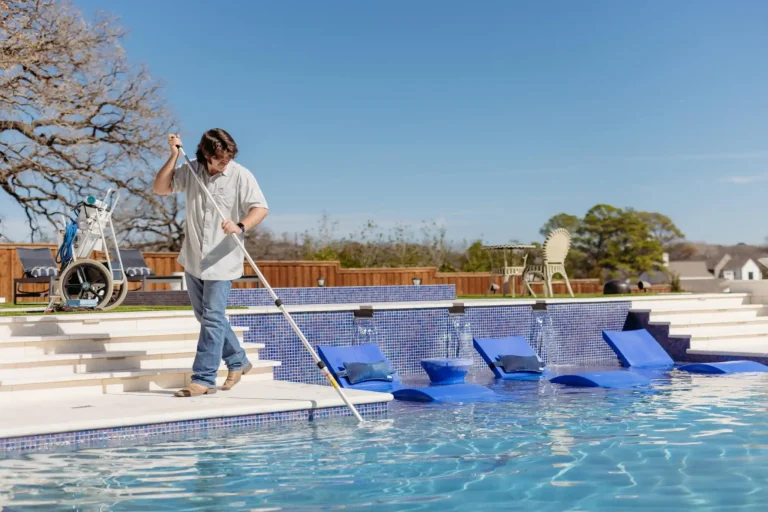
Keep Your Houston Pool Sparkling All Year Long
Owning a pool in the Greater Houston area is one of life’s great pleasures. With our long, hot summers and mild winters, you can enjoy your backyard oasis for most of the year. But a beautiful, safe pool doesn’t happen by accident. It takes consistent care and a solid understanding of the fundamentals.
That’s where the 3 C’s of pool maintenance come in. Whether you’re a new pool owner or a seasoned pro, these three principles form the foundation of every clean, healthy, and inviting swimming pool. Master them, and you’ll spend less time troubleshooting problems and more time enjoying the water.
Let’s break down each one.
The 3 C’s of Pool Maintenance Explained
The 3 C’s of pool maintenance are:
- Circulation
- Cleaning
- Chemistry
Think of these three elements as a triangle. Each one supports the others. When all three are working together, your pool stays balanced, clear, and safe for swimmers. When one falls out of order, the others quickly follow.
1. Circulation
Why Circulation Is the Foundation of a Healthy Pool
Circulation is arguably the most important of the 3 C’s. Simply put, circulation refers to how well your pool water moves through the filtration system. When water circulates properly, it passes through the filter, removes contaminants, and distributes chemicals evenly throughout the pool.
Poor circulation leads to stagnant water, and stagnant water is a breeding ground for algae, bacteria, and other harmful microorganisms. Even the best chemicals in the world won’t do their job effectively if the water isn’t moving.
How to Improve Pool Circulation in Houston
Houston’s heat and humidity create the perfect environment for algae growth, which makes strong circulation even more critical here than in cooler climates.
Here are some key tips to keep your pool’s circulation working at its best:
- Run your pump long enough. Most pool experts recommend running your pump at least 8 to 12 hours per day during the summer months. In Houston’s extreme heat, leaning toward the higher end of that range is a smart move.
- Point your return jets correctly. Angle your return jets slightly downward and in the same direction. This creates a circular flow that helps eliminate dead spots where algae loves to grow.
- Check your filter regularly. A clogged or dirty filter dramatically reduces circulation. Make sure it’s cleaned and inspected on a consistent schedule.
- Don’t neglect the pump. Your pump is the heart of your pool’s circulation system. Listen for unusual noises and schedule regular inspections to catch problems early.
Also read: Pool Pump Maintenance: The Complete Guide to Keeping Your Pool Running Smoothly
2. Cleaning
A Clean Pool Is More Than Just Clear Water
The second C — cleaning — goes hand in hand with circulation but requires physical effort beyond just running your pump. Even the best filtration system won’t catch everything. Leaves, dirt, insects, sunscreen, and other debris find their way into your pool constantly, especially here in the Houston area where trees, wind, and outdoor activities are part of everyday life.
Regular cleaning prevents buildup that can lead to staining, algae blooms, and costly repairs down the road.
The Three Key Areas of Pool Cleaning
Effective pool cleaning focuses on three zones:
The Water Surface
Skimming the surface of your pool should be done at least two to three times per week — ideally every day during peak swimming season. Removing floating debris before it sinks to the bottom makes the entire cleaning process easier and reduces strain on your filter.
The Pool Walls and Tile
Algae and calcium deposits love to cling to pool walls and the tile line. Brushing these surfaces once a week helps prevent buildup and keeps your pool looking fresh. Use a nylon brush for vinyl or fiberglass pools and a stainless steel brush for plaster or concrete pools.
The Pool Floor
Vacuuming the floor of your pool removes dirt and debris that has sunk to the bottom. You can do this manually with a pool vacuum or invest in an automatic pool cleaner that does the work for you. For busy Houston families, an automatic cleaner can be a real time-saver between professional service visits.
Don’t Forget to Empty the Skimmer and Pump Baskets
This simple task is easy to overlook but incredibly important. Full baskets restrict water flow, reduce circulation efficiency, and can even burn out your pump motor. Check and empty them at least once a week — more often after storms or heavy winds.
Also read: Humidity Solutions for Pools: How Houston Homeowners Can Control Moisture Year-Round
3. Chemistry
Balanced Water Keeps Swimmers Safe and Equipment Protected
The third C — chemistry — is often the most intimidating for pool owners, but it doesn’t have to be. Proper water chemistry means maintaining the right balance of chemicals so that your pool water is safe to swim in, comfortable on the skin and eyes, and not damaging to your pool surfaces or equipment.
Unbalanced water can cause a host of problems. Too little sanitizer, and bacteria and algae take over. Too much of certain chemicals, and you end up with cloudy water, irritated eyes, or corrosion of your pool’s surfaces and metal components.
The Key Chemical Levels to Monitor
Here are the most important chemical parameters to keep in check:
pH Level
pH is a measure of how acidic or alkaline your pool water is. The ideal range is 7.2 to 7.6. Low pH causes eye and skin irritation and can corrode pool surfaces. High pH reduces the effectiveness of chlorine and can lead to cloudy water and scale buildup.
Chlorine
Chlorine is your pool’s primary sanitizer. It kills bacteria, viruses, and algae. The recommended free chlorine level is 1 to 3 parts per million (ppm). In Houston’s intense summer heat, chlorine can burn off faster, so check your levels more frequently during the hottest months.
Total Alkalinity
Total alkalinity acts as a buffer for your pH, helping to keep it stable. The ideal range is 80 to 120 ppm. Low alkalinity causes pH levels to fluctuate wildly. High alkalinity can make pH difficult to adjust.
Calcium Hardness
This measures the amount of calcium dissolved in your water. The ideal range is 200 to 400 ppm. Low calcium leads to corrosion of pool surfaces, while high calcium causes cloudy water and scale deposits — a common issue in areas with hard water like Houston.
Cyanuric Acid (Stabilizer)
Cyanuric acid protects chlorine from being broken down by the sun’s UV rays. This is especially important in sunny Houston. The recommended level is 30 to 50 ppm.
Also read: Cypress, TX MUD District Water Quality and Its Effect on Pool Chemistry
How Often Should You Test Your Pool Water?
During swimming season, test your pool water at least two to three times per week. You can use basic test strips for quick checks, but liquid test kits or professional testing provides more accurate results. Many pool service professionals also offer free or low-cost water testing.
Putting It All Together
The 3 C’s — Circulation, Cleaning, and Chemistry— work as a system. Strong circulation distributes chemicals and carries debris to the filter. Regular cleaning removes what the filter can’t catch. Proper chemistry keeps the water safe and clear for everyone who swims in it. Neglect one, and the others begin to suffer.
Let the Professionals Handle It for You
Understanding the 3 C’s is empowering, but keeping up with all three consistently can feel like a full-time job — especially during Houston’s long pool season. That’s where a trusted local pool cleaning service makes all the difference.
Our team serves the Greater Houston area with reliable, expert pool maintenance that keeps your water clean, safe, and swim-ready every single day. From weekly cleanings and chemical balancing to pump inspections and equipment repairs, we handle every aspect of the 3 C’s so you don’t have to.
Ready to enjoy your pool without the hassle? Contact us today for a free quote and let’s keep your Houston pool looking its best all year long.