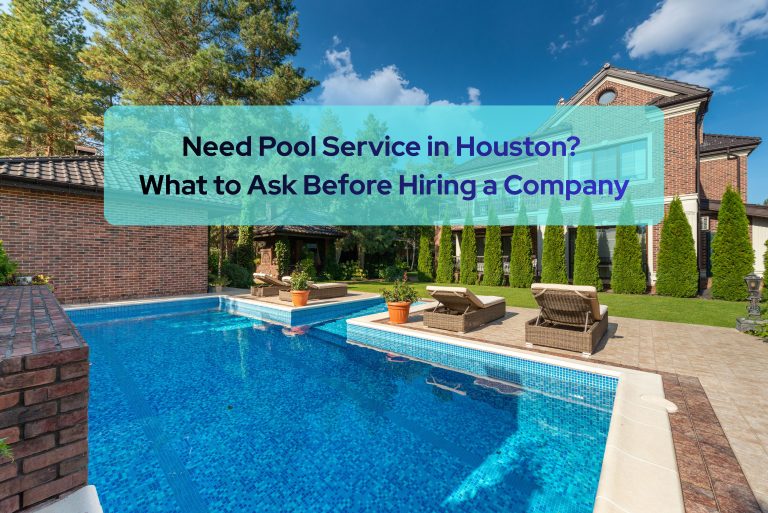
A backyard pool is one of the best parts of living in the Greater Houston area. Between the long, humid summers and mild winters, Houston homeowners get more pool days than almost anywhere else in the country. But with all that pool time comes responsibility. Whether you’re hosting a weekend cookout or letting the kids splash around after school, knowing what not to do in a pool is just as important as knowing how to swim.
Some of these mistakes are simple etiquette issues. Others can lead to serious safety hazards, costly repairs, or water quality problems. In this guide, we’ll walk through the most common pool mistakes homeowners make and explain why avoiding them keeps your pool safer, cleaner, and more enjoyable all season long.
Why Pool Safety and Etiquette Matter in Houston
Houston’s climate is unique. High humidity, intense heat, and frequent heavy rain create conditions that can accelerate algae growth, throw off chemical balance, and stress pool equipment faster than in drier climates. That means small mistakes—like skipping a filter check or ignoring a chemical imbalance—can snowball into bigger problems here than they might elsewhere.
On top of that, Texas leads the nation in pool-related drowning incidents among young children, according to safety organizations like the CDC. That makes pool safety not just a matter of maintenance, but a matter of life and death. Let’s break down the biggest “don’ts” every pool owner should know.
Don’t Swim Without Supervision
This might be the most important rule of all. Never let children swim unsupervised, even for a few minutes. Drowning can happen silently and quickly—often in less time than it takes to answer a phone call or check on dinner.
Designate a “Water Watcher”
At parties or gatherings, assign one adult as the official water watcher. This person’s only job is to keep eyes on swimmers—no phones, no side conversations. Rotate this responsibility every 15–20 minutes so no one gets distracted from fatigue.
Don’t Run or Dive in Shallow Areas
Wet pool decks are notoriously slippery, and running near the water is one of the leading causes of pool-related injuries. Similarly, diving into shallow ends or above-ground pools can cause severe head and spinal injuries.
Always walk on pool decks, and only dive in areas clearly marked as deep enough for diving.
Don’t Ignore Chemical Balance
Adding random amounts of chlorine or “eyeballing” pH levels is a common—and dangerous—mistake. Improper chemical balance can cause skin and eye irritation, cloudy water, and even respiratory issues from chlorine gas buildup.
In Houston’s heat, chlorine burns off faster than in cooler climates, meaning pools often need more frequent testing and adjustment during peak summer months. Skipping regular testing is one of the fastest ways to end up with green, algae-filled water.
Also read: Humidity Solutions for Pools: How Houston Homeowners Can Control Moisture Year-Round
Don’t Mix Pool Chemicals Improperly
Never add different pool chemicals directly together or store them in the same container. Some combinations—like chlorine and acid—can create toxic gas or even cause small explosions. Always follow manufacturer instructions and add chemicals to water, not water to chemicals.
Don’t Swim During Thunderstorms
Houston is no stranger to sudden summer storms. Swimming during lightning is extremely dangerous—water conducts electricity, and a nearby strike can be fatal. As a rule of thumb: if you hear thunder, get out of the pool immediately and wait at least 30 minutes after the last rumble before returning.
Don’t Overload the Pool
Packing too many people into a pool at once isn’t just uncomfortable—it can be unsafe. Overcrowding increases the risk of accidental collisions, makes it harder for a water watcher to track swimmers, and can even stress pool equipment like pumps and filters that aren’t designed for heavy simultaneous use.
Don’t Ignore Drain Covers
Pool drains create suction that, in rare cases, can trap hair, swimsuits, or even body parts—a phenomenon known as suction entrapment. Always check that drain covers are intact and up to code. If you notice a cracked or missing cover, stop using that area of the pool immediately and contact a professional.
Don’t Use Glass Near the Pool
It’s tempting to bring a glass of lemonade poolside, but broken glass in or around a pool is a serious hazard. Shattered glass can hide in pool floors and decks, leading to cuts that are easy to miss until it’s too late. Stick to plastic or aluminum containers for anything consumed near the water.
Don’t Skip Regular Maintenance
Neglecting routine pool care is one of the biggest mistakes homeowners make—and one of the easiest to avoid. Skipping filter cleanings, ignoring water levels, or waiting too long between professional inspections can lead to:
- Algae blooms
- Cloudy or discolored water
- Equipment breakdowns
- Costly repairs down the line
In the Houston area, where pollen, dust, and organic debris are common due to heavy tree cover and humidity, pools require more frequent skimming and filter maintenance than in drier regions.
Also read: Pool Pump Maintenance Tips Every Houston Pool Owner Should Know
Don’t Urinate in the Pool
It sounds obvious, but it’s worth repeating: urinating in pool water reacts with chlorine to create irritating byproducts that can affect both swimmers’ skin and eyes, and the overall water chemistry. Encourage bathroom breaks, especially for young children who may not understand the rule yet.
Don’t Leave Pool Toys and Equipment Out
Leaving inflatables, floats, and cleaning equipment in direct Houston sun for extended periods can cause quicker wear and material breakdown. It also creates tripping hazards around the pool deck. Store equipment properly after each use to extend its lifespan and keep the area safer.
Houston-Specific Pool Hazards to Watch For
Because of the region’s climate, Houston pool owners face a few extra challenges:
- Heat exhaustion: Swimmers should stay hydrated and take breaks in shade, especially during peak summer heat.
- Heavy rain runoff: Storms can introduce debris, bacteria, and chemical imbalances into pool water almost overnight.
- Mosquitoes: Standing or stagnant pool water (from covers or poor circulation) can quickly become a mosquito breeding ground.
- Algae growth: Warm, humid air combined with sunlight accelerates algae far faster than in cooler climates.
These local factors make regular professional maintenance even more valuable for Houston-area pool owners.
How Professional Pool Cleaning Helps You Avoid These Mistakes
Many of the “don’ts” above come down to one root cause: inconsistent maintenance. A professional pool cleaning service helps homeowners avoid chemical imbalances, catch equipment issues early, and maintain a safe, algae-free swimming environment year-round.
Instead of guessing at chlorine levels or wondering if your drain covers are up to code, a trained technician can handle:
- Routine water testing and balancing
- Filter and pump inspections
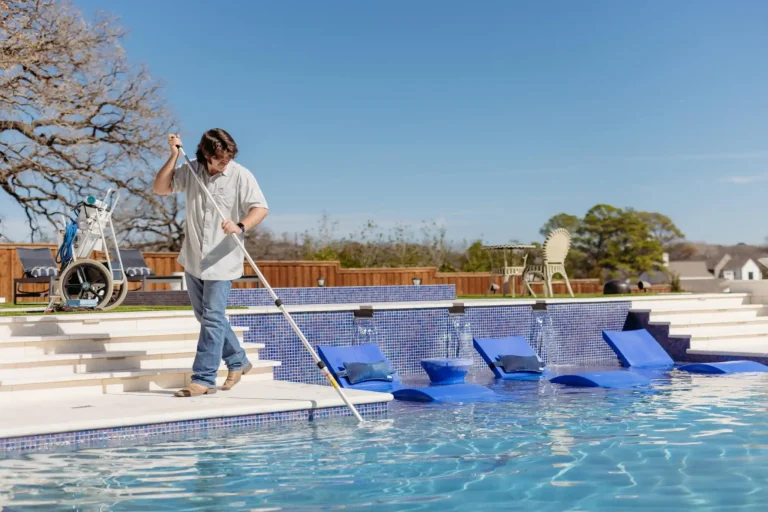
- Debris and algae removal
- Safety equipment checks
This not only keeps your pool safer for family and guests, but also extends the life of your equipment and saves money on emergency repairs.
Final Thoughts
Owning a pool in the Greater Houston area comes with incredible rewards—but also real responsibilities. Avoiding these common mistakes, from unsupervised swimming to neglected chemical balance, can mean the difference between a fun, safe summer and a costly, dangerous one.
If you want peace of mind knowing your pool is properly maintained, safe, and ready for swimmers at all times, partnering with a trusted local pool cleaning service is one of the smartest investments you can make. Regular professional care doesn’t just keep your water sparkling—it helps you avoid the pool mistakes that lead to bigger problems down the road.
Ready to keep your pool safe, clean, and swim-ready all year? Reach out to a local Houston pool cleaning professional today and let the experts handle the hard work while you enjoy the water.
Contact us for Pool Service in Houston