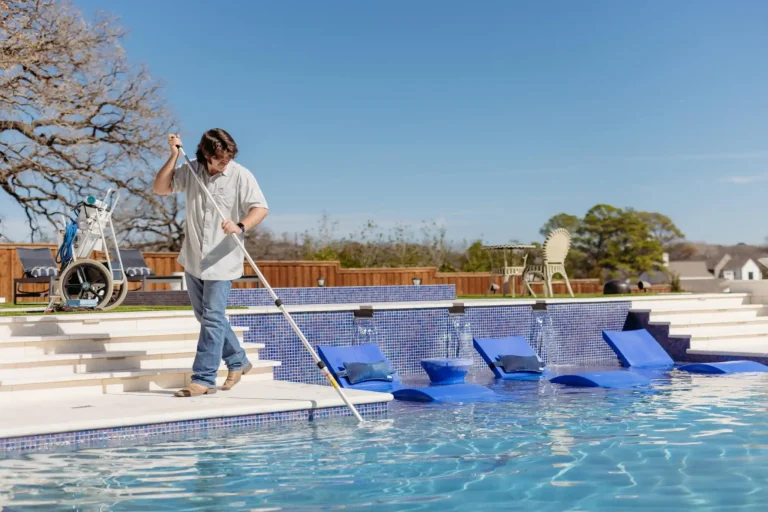
If you want to open your pool in the spring to crystal-clear water — instead of a swampy green mess — getting your winterizing pool chemicals right is absolutely essential. Proper pool closing isn’t just about throwing on a cover and walking away. It’s a carefully planned chemical process that protects your pool through the cold months, prevents algae growth, and keeps your equipment safe from damage.
At Team Pool Service, we’ve helped countless pool owners close their pools the right way. In this complete guide, we’ll walk you through everything you need to know about winterizing pool chemicals — what they are, how to use them, and why each one matters.
Why Winterizing Pool Chemicals Matter
Many pool owners underestimate how important chemical preparation is before closing their pool for the season. Without the right balance of chemicals, several serious problems can develop over winter:
Algae blooms can take hold under your pool cover, turning the water green or black by spring.
Bacteria and contaminants can build up in untreated water.
Scaling and staining can damage your pool’s surfaces when pH and calcium levels are off.
Corrosion can harm your liner, plumbing, and equipment if water chemistry is too acidic.
Getting your pool chemicals right before closing saves you time, money, and headaches when warmer weather returns.
Step 1: Test and Balance Your Pool Water First
Before you add any winterizing chemicals, you need to start with a proper water test. Trying to winterize a pool with unbalanced water is like painting over a dirty wall — it won’t work properly.
What to Test For
Use a reliable test kit or take a water sample to your local pool store. You’ll want to check and adjust the following levels:
pH: Aim for 7.2 to 7.6. Water that is too acidic or too alkaline will make your other chemicals less effective and can damage pool surfaces.
Total Alkalinity: The ideal range is 80 to 120 ppm. This helps buffer pH and keeps it stable throughout winter.
Calcium Hardness: Target 175 to 225 ppm. Low calcium levels can cause your water to leach calcium from plaster, causing pitting and etching.
Cyanuric Acid (Stabilizer): Should be between 30 to 50 ppm to protect chlorine from breaking down.
Take the time to balance these levels a few days before you plan to fully close your pool. This gives the chemicals time to work properly before you move on to the next step.
Step 2: Shock the Pool
One of the most important steps in winterizing your pool is shocking it — and doing it correctly.
Why You Need to Shock Before Closing
Pool shock raises the chlorine level dramatically to kill off algae, bacteria, and organic contaminants that have built up over the summer. If you skip this step, those organisms will continue to grow slowly under your pool cover all winter long.
How to Shock Your Pool for Winter
Use a non-chlorine or calcium hypochlorite shock at a higher-than-normal dose. For winterizing, aim for a chlorine level of 3 to 5 ppm after shocking. Apply the shock at dusk or night to prevent the sun from burning it off before it can do its job.
Run your pool pump for at least 8 hours after shocking to allow the chemical to fully circulate throughout the water. Wait for chlorine levels to drop back down to the normal range (1 to 3 ppm) before adding your other winterizing chemicals, as high chlorine can break them down.
Step 3: Add a Winter Algaecide
Even with balanced water and a good shock treatment, algae spores can survive under your pool cover. That’s where a winter algaecide comes in.
Choosing the Right Algaecide
For winter use, look for a poly-quat algaecide (polyquaternary ammonium) rather than a copper-based product. Poly-quat algaecides are non-foaming and won’t cause staining — which can be a real problem with copper-based options, especially if your chemistry shifts over winter.
Follow the manufacturer’s dosage instructions, which are typically based on your pool’s gallonage. Add the algaecide to the pool water after your chlorine levels have come back down from shocking.
Step 4: Use a Winter Stain and Scale Inhibitor
Scaling and staining are common problems that develop over the winter months when pool water sits still and untreated. A stain and scale inhibitor (also called a sequestering agent) works by binding to metal ions and minerals in the water, preventing them from depositing on your pool’s surfaces.
This is especially important if you have a plaster, gunite, or pebble finish pool. Even a small amount of scaling can be difficult and expensive to remove in the spring.
Add your stain and scale inhibitor according to the product’s instructions, distributing it evenly around the pool.
Step 5: Apply a Winter Pool Closing Kit
For convenience, many pool owners choose to use an all-in-one winter pool closing kit. These kits typically contain a combination of:
- Winter algaecide
- Oxidizer or shock
- Stain and scale inhibitor
- Sometimes an enzyme-based product to break down organic debris
At Team Pool Service, we recommend these kits as a reliable and straightforward option for homeowners who want to simplify the closing process. Just make sure you still balance your water chemistry before using the kit — these products work best when your pH and alkalinity are already in range.
Step 6: Consider Pool Antifreeze for Plumbing Lines
If you live in a region where temperatures drop below freezing, it’s critical to protect your pool’s plumbing lines from cracking and bursting. After blowing out the lines with a shop vac or air compressor, add pool-grade antifreeze to your plumbing lines.
Important: Only use antifreeze specifically designed for pools and plumbing. Never use automotive antifreeze, which is toxic and harmful to pool surfaces and the environment.
Tips for a Successful Pool Winterization
Here are a few extra tips from the Team Pool Service team to make sure your pool comes out of winter in great shape:
Lower your water level below the skimmer and return jets before closing.
Clean your pool thoroughly — vacuum, brush, and empty skimmer baskets before adding winterizing chemicals.
Use a high-quality winter cover to keep debris out and reduce evaporation.
Check your cover periodically throughout winter to remove standing water or heavy debris that can cause it to sag or tear.
Don’t skip the water test in spring — always retest and rebalance your water before reopening your pool.
When to Call the Professionals
Winterizing a pool correctly takes knowledge, timing, and the right products. If you’re unsure about any part of the process — or if your pool has recurring algae, staining, or equipment issues — it’s worth calling in a professional pool service team.
At Team Pool Service, we offer complete pool winterization services that take the guesswork out of closing your pool. Our experienced technicians handle everything from water testing and chemical balancing to equipment winterization and cover installation.
Conclusion
Properly winterizing your pool with the right chemicals is one of the smartest investments you can make as a pool owner. A few hours of preparation in the fall means a much easier — and more affordable — pool opening in the spring.
From balancing your water chemistry to shocking, adding algaecide, and protecting your plumbing, every step of the winterizing process matters. Follow this guide, use quality products, and don’t hesitate to reach out to the experts when you need help.
Team Pool Service is here to make pool ownership easy, all year long. Contact us today to schedule your professional pool winterization service.