A clean swimming pool is not just about clear water and a beautiful appearance. It also requires proper sanitation, balanced chemicals, efficient filtration, and regular equipment maintenance. Without consistent cleaning, swimming pools can quickly develop problems such as algae growth, cloudy water, clogged filters, and poor circulation.
In Houston, TX, where warm temperatures, seasonal rainfall, and outdoor debris frequently affect swimming pools, regular maintenance is especially important. Understanding the pool cleaning process helps homeowners protect their investment, improve swimming conditions, and prevent unnecessary equipment problems.
Whether you maintain your pool yourself or hire professionals, knowing the essential cleaning steps can make a significant difference in keeping your swimming pool in excellent condition.
What Is the Pool Cleaning Process?
The pool cleaning process is a systematic approach to removing debris, cleaning pool surfaces, maintaining proper chemical levels, and ensuring the filtration and circulation systems operate efficiently.
It involves both physical cleaning and water treatment. Physical cleaning removes visible dirt, leaves, and sediment, while chemical balancing helps control bacteria, algae, and other contaminants that may affect water quality.
A complete pool cleaning process typically includes skimming, brushing, vacuuming, filter maintenance, water testing, chemical adjustments, and equipment inspections.
Each step contributes to maintaining a clean, safe, and comfortable swimming environment.
Step-by-Step Swimming Pool Cleaning Process
1. Inspect the Pool and Its Equipment
The cleaning process begins with a thorough inspection of the swimming pool and its essential equipment.
This involves checking the water level, examining the pool walls and floor, identifying visible debris, and looking for early signs of algae or staining.
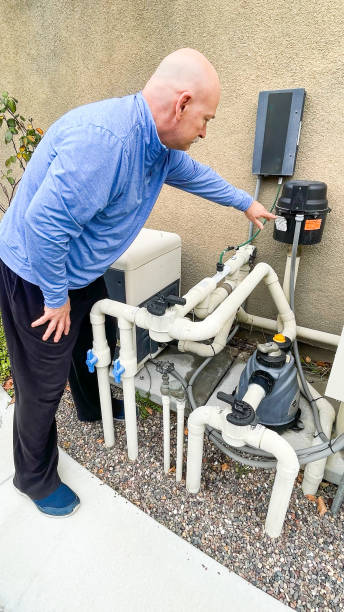
The pool pump, filtration system, skimmer baskets, and plumbing connections should also be examined for unusual noises, leaks, or circulation problems.
If the pump is not operating efficiently, professional pool pump repair may be necessary before the system can provide proper filtration.
Regular inspections help identify potential problems early and prevent minor equipment issues from developing into expensive repairs.
2. Remove Leaves and Floating Debris
Surface skimming is one of the first physical cleaning steps.
Leaves, insects, dust, and other floating debris can accumulate on the water surface, particularly in outdoor pools surrounded by trees or landscaping.
A pool skimmer net is used to collect these materials before they settle on the bottom or enter the filtration system.
Removing floating debris regularly helps maintain water clarity, reduces organic contamination, and prevents unnecessary strain on the pool equipment.
3. Brush Pool Walls, Steps, and Tiles
Pool surfaces gradually accumulate dirt, algae, and mineral deposits that cannot always be removed through filtration alone.
Brushing loosens buildup from walls, steps, corners, ladders, and waterline tiles.
The appropriate brush depends on the pool’s surface material. Concrete and plaster surfaces may require different brushes than fiberglass or vinyl-lined pools.
Special attention should be given to shaded corners and areas with limited water circulation, as these locations are more likely to develop algae.
Regular brushing also helps prevent stubborn stains and keeps pool surfaces looking well-maintained.
4. Vacuum the Swimming Pool Floor
After brushing the pool surfaces, the next step is removing settled dirt and debris from the bottom.
Vacuuming helps eliminate sand, sediment, leaves, and other particles that accumulate on the pool floor.
Manual pool vacuums allow technicians to target specific areas, while automatic or robotic cleaners can assist with routine maintenance.
The frequency of vacuuming depends on pool usage, surrounding vegetation, and how quickly debris accumulates.
Keeping the pool floor clean improves its appearance and reduces the amount of dirt that may circulate through the water.
5. Clean the Skimmer Baskets and Filtration System
The pool filtration system plays an essential role in removing suspended particles and maintaining water clarity.
Over time, leaves, dirt, and other debris can accumulate inside skimmer baskets, pump baskets, and filters, restricting water flow.
Cleaning these components helps maintain efficient circulation and reduces stress on the equipment.
Depending on the filtration system, maintenance may include:
- Emptying skimmer and pump baskets.
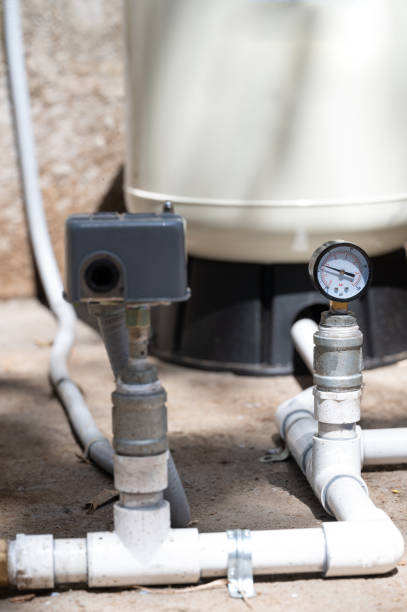
- Inspecting filter pressure and water flow.
- Backwashing sand or DE filters when required.
- Cleaning cartridge filters according to manufacturer recommendations.
- Checking for leaks or damaged components.
Maintaining a clean filtration system helps prevent cloudy water and supports efficient pool operation.
6. Test and Balance Pool Water Chemistry
Proper chemical balancing is one of the most important stages of the pool cleaning process.
Even when pool water appears clear, its chemical levels may be unsuitable for swimming.
Water testing helps determine whether adjustments are needed to maintain effective sanitation and protect pool surfaces.
Important chemical measurements include:
- pH Level: Generally maintained between 7.2 and 7.8.
- Free Chlorine: Maintained at an appropriate level for effective sanitation, taking cyanuric acid into account.
- Total Alkalinity: Helps stabilize the pool’s pH level.
- Calcium Hardness: Helps protect pool surfaces and equipment from scaling or corrosion.
- Cyanuric Acid: Helps prevent sunlight from rapidly breaking down chlorine in outdoor pools.
Balanced water chemistry reduces the risk of algae growth, irritation, equipment damage, and mineral buildup.
Pool chemicals should always be handled according to the manufacturer’s instructions.
7. Check Water Circulation and Pool Pump Performance
Water circulation is essential for distributing chemicals, moving debris toward the filtration system, and preventing stagnant areas.
The pool pump moves water through the skimmers, filter, and return jets to maintain continuous circulation.
When circulation becomes weak, pool water may develop cloudy patches, collect debris, or experience recurring algae problems.
During routine maintenance, technicians should inspect the pump for unusual sounds, leaks, reduced flow, or inconsistent operation.
If these problems continue, a professional pool pump repair service can diagnose the issue and determine whether repairs or component replacements are required.
Maintaining proper circulation supports effective cleaning and helps extend the operating life of pool equipment.
Must read our guide on Pool Pump Maintenance Tips Every Houston Pool Owner Should Know
8. Perform a Final Cleaning and Equipment Inspection
Once the physical cleaning and chemical adjustments are complete, the final step is to review the overall condition of the swimming pool.
This includes checking water clarity, inspecting cleaned surfaces, confirming proper filtration, and ensuring the pool equipment is functioning correctly.
Technicians may also verify chemical readings and recommend additional maintenance if necessary.
A final inspection helps identify remaining issues and confirms that the pool has received the required routine care.
How Often Should a Swimming Pool Be Cleaned?
Most residential swimming pools benefit from weekly professional cleaning, although the ideal schedule varies depending on usage, environmental conditions, and equipment performance.
Pools surrounded by trees or used frequently may require additional skimming and vacuuming between scheduled visits.
Houston’s hot weather can increase chlorine demand, while heavy rainfall can introduce debris and affect water chemistry.
Homeowners should also monitor water levels and test water chemistry regularly rather than relying entirely on weekly cleaning visits.
A consistent maintenance schedule helps prevent sudden water quality problems and reduces the need for extensive corrective treatments.
What Happens If You Don’t Clean Your Pool Regularly?
Neglecting routine pool cleaning can lead to several problems that affect both water quality and equipment performance.
Algae Growth and Cloudy Water
Inadequate sanitation, poor circulation, and accumulated organic debris can encourage algae growth and make pool water cloudy or discolored.
Clogged Filters and Reduced Circulation
When skimmer baskets and filters become overloaded with debris, water flow decreases and the filtration system becomes less effective.
Increased Equipment Wear
Blocked circulation paths and neglected equipment problems can place unnecessary stress on the pool pump and other mechanical components.
Addressing these issues early through regular maintenance and timely pool pump repair can help prevent more serious system failures.
Water Chemistry Problems
Improper chemical levels can cause swimmer discomfort, reduce sanitizer effectiveness, and contribute to surface staining or equipment damage.
Higher Maintenance Costs
A neglected swimming pool may require intensive cleaning, additional chemical treatments, filter servicing, or replacement of damaged components.
Routine maintenance is generally more manageable than correcting multiple problems after they become severe.
Can You Clean a Swimming Pool Yourself?
Homeowners can perform several basic pool cleaning tasks, including skimming leaves, brushing accessible surfaces, emptying baskets, and checking water levels.
However, maintaining proper chemical balance, identifying equipment problems, and troubleshooting filtration issues may require professional knowledge.
Incorrect chemical handling or improper equipment maintenance can create safety concerns and potentially damage pool components.
Professional pool technicians have the equipment and experience to perform detailed inspections, recommend appropriate treatments, and identify problems that may otherwise go unnoticed.
Why Professional Pool Cleaning Services Are Important
Professional pool cleaning provides a structured approach to maintaining swimming pool water, surfaces, and equipment.
Experienced technicians can monitor water chemistry, remove stubborn debris, inspect the filtration system, and identify early signs of mechanical problems.
Professional maintenance is particularly valuable when pool owners experience recurring algae, cloudy water, or reduced circulation.
For equipment-related concerns, arranging a reliable pool pump repair service can help restore proper operation and support the pool’s regular cleaning routine.
Combining professional maintenance with simple homeowner care helps keep swimming pools cleaner and reduces the likelihood of unexpected problems.
Keep Your Pool Clean With Team Pool Service in Houston, TX
Understanding the pool cleaning process helps homeowners recognize the importance of regular maintenance. Every step, from removing surface debris and brushing walls to balancing chemicals and checking equipment, contributes to keeping a swimming pool clean and properly maintained.
At Team Pool Service, we provide professional pool cleaning, weekly maintenance, and equipment repair services for residential pools throughout Houston, TX, and surrounding areas.
Our team helps homeowners maintain clear water, efficient filtration, and reliable pool equipment through consistent care and professional attention.
Contact Team Pool Service today to schedule your pool cleaning service and enjoy a cleaner, healthier, and well-maintained swimming pool.