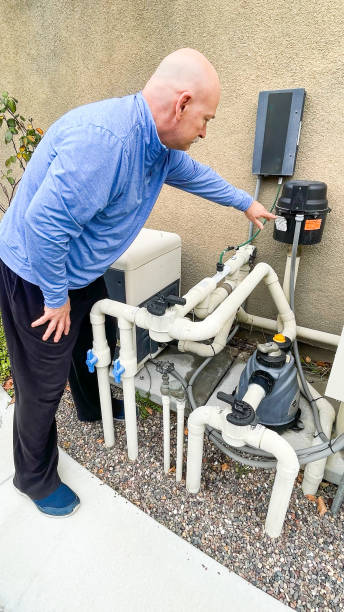
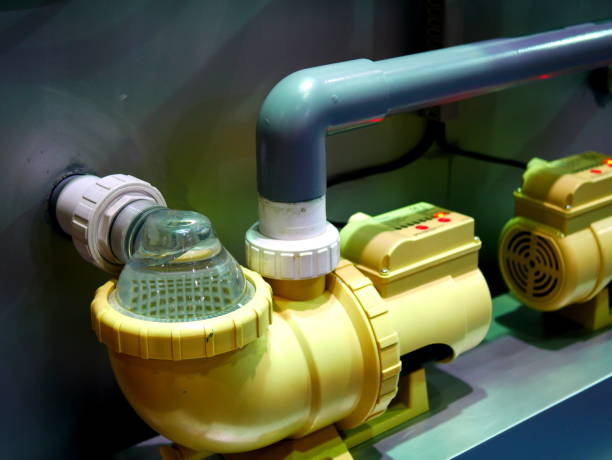
A swimming pool depends on proper water circulation to maintain effective filtration and balanced water chemistry. When water pressure drops, the pool system may struggle to remove debris, distribute chemicals, and keep water clear.
Pool pump low water pressure is a common issue that can develop because of clogged filters, blocked plumbing, air leaks, or pump-related problems. For homeowners in Houston, TX, identifying the source of low pressure helps prevent unnecessary equipment damage and maintain reliable pool operation.
What Does Low Pool Pump Water Pressure Mean?
Low pool pump water pressure generally refers to reduced pressure or water flow within the pool’s circulation system.
You may notice weaker return jets, slower water movement, or a filter pressure gauge reading below its normal operating level.
However, low pressure and low water flow are not always the same problem. A clogged filter can restrict circulation while causing unusually high pressure on the filter gauge.
Understanding these differences is important for identifying the actual cause.
1. Clogged Skimmer or Pump Baskets
Skimmer and pump baskets collect leaves, dirt, and other debris before they reach sensitive equipment.
When baskets become full, water cannot move freely toward the pump. This restriction may reduce circulation and cause lower-than-normal filter pressure.
Solution: Turn off the equipment and safely remove debris from accessible baskets according to manufacturer instructions.
Inspect baskets for cracks or damaged sections that might allow debris to enter the pump.
Regular cleaning reduces circulation restrictions and helps protect internal pump components.
2. Dirty or Blocked Pool Filter
The pool filter removes suspended dirt and particles from circulating water.
Over time, accumulated debris can restrict water movement and reduce the strength of the return jets.
Solution: Inspect the filter pressure gauge and compare the reading with the normal clean-filter pressure.
A dirty filter commonly causes higher-than-normal pressure upstream of the filter, even when water flow is weak.
Depending on the filtration system, maintenance may involve cleaning cartridges or backwashing according to manufacturer recommendations.
Never open a pressurized pool filter without safely shutting down and depressurizing the system.
3. Air Leaks in the Suction System
Air entering the suction plumbing can interrupt steady water movement and reduce pump performance.
These leaks may develop around the pump lid, valves, fittings, or deteriorated O-rings.
Common Warning Signs:
- Air bubbles in the pump basket.
- Bubbles entering the pool through return jets.
- Fluctuating pressure readings.
- Repeated loss of pump prime.
Solution: Inspect visible fittings and seals after switching off the pump.
If air continues entering the system, a professional technician may need to inspect the plumbing for hidden leaks.
4. Low Pool Water Level
When water drops below the recommended skimmer level, the pump may draw air instead of maintaining a steady water supply.
This can reduce circulation and make the pump lose prime.
Solution: Refill the swimming pool to the appropriate operating level.
Check whether the water is escaping through an unnoticed leak or being lost through evaporation and splash-out.
Maintaining proper water levels helps the pump operate consistently and reduces the risk of running dry.
5. Clogged or Damaged Pump Impeller
The impeller creates the movement needed to circulate water through the system.
Leaves, hair, and other small debris can enter the pump and interfere with the impeller.
A blockage may reduce water flow even when the motor continues operating.
Solution: Clean skimmer and pump baskets first.
If pressure and water flow remain low, the impeller may require inspection by a qualified technician.
Professional pool pump service and repair can help identify internal blockages or damaged components without causing unnecessary equipment damage.
6. Incorrect Valve Settings
Pool valves control water movement between the skimmers, main drains, filtration equipment, and return lines.
If a valve is partially closed or incorrectly positioned, it may restrict circulation.
Solution: Review the pool’s normal valve configuration.
Do not change unfamiliar settings without understanding the circulation system.
A technician can check valve operation and identify restrictions affecting water flow.
7. Pump Motor or Speed Problems
A pump that operates below its required speed may not circulate water effectively.
This can occur because of incorrect variable-speed settings, electrical faults, or mechanical deterioration.
Solution: Review the programmed speed and operating schedule.
If the pump makes unusual noises, overheats, or fails to maintain circulation at appropriate settings, professional troubleshooting may be necessary.
How to Troubleshoot Low Pool Pump Water Pressure
A few basic observations can help identify where circulation is being restricted.
Step 1: Check the Water Level
Make sure the skimmer receives sufficient water.
Step 2: Inspect the Baskets
Remove leaves and other debris from accessible skimmer and pump baskets.
Step 3: Read the Filter Gauge
Compare the current pressure with the normal clean-filter reading.
Step 4: Look for Air Bubbles
Bubbles may indicate suction leaks or inadequate water supply.
Step 5: Check Pump Settings
Confirm that the pump is operating at the appropriate programmed speed.
If the problem continues, avoid making repeated mechanical adjustments without professional guidance.
How to Prevent Low Water Pressure
Routine maintenance is important for consistent swimming pool circulation.
Homeowners should:
- Clean skimmer and pump baskets regularly.
- Maintain the recommended water level.
- Follow filter cleaning schedules.
- Check visible plumbing connections.
- Monitor filter pressure readings.
- Remove excessive debris from the pool.
- Arrange periodic equipment inspections.
These practices reduce preventable restrictions and support reliable filtration.
When Is Professional Repair Necessary?
Professional inspection becomes important when low water pressure continues despite basic cleaning and maintenance.
Hidden plumbing restrictions, damaged impellers, faulty valves, or electrical problems may require specialized equipment and technical knowledge.
Experienced technicians providing swimming pool pump repair services can inspect the circulation system and recommend appropriate repairs.
Addressing the underlying cause helps prevent repeated breakdowns and unnecessary replacement costs.
Frequently Asked Questions (FAQs)
1. Why Is My Pool Pump Pressure Suddenly Low?
Sudden pressure drops may result from clogged suction baskets, low water levels, air leaks, or a blocked impeller.
2. Can a Dirty Pool Filter Cause Low Water Flow?
Yes. A dirty filter can restrict circulation and weaken return-jet flow, although the filter pressure reading may increase rather than decrease.
3. Why Are My Pool Return Jets Weak?
Weak return jets may indicate restricted suction, dirty filters, incorrect valve settings, or low pump speed.
4. How Do I Know If My Pool Pump Is Failing?
Unusual noises, leaks, overheating, difficulty starting, and persistent circulation problems can indicate equipment failure.
5. Should I Run My Pool Pump With Low Water Pressure?
If the pump is drawing air, losing prime, or running without adequate water, turn it off to prevent damage. Persistent pressure problems should be inspected professionally.
Get Professional Pool Pump Assistance in Houston, TX
Low pool pump water pressure can affect filtration efficiency, water clarity, and overall swimming pool maintenance.
Identifying the source of the problem early helps protect equipment and restore consistent circulation.
At Team Pool Service, we provide professional pool pump maintenance and repair for homeowners throughout Houston, TX, and surrounding areas.
Whether your pool has weak return jets, inconsistent pressure, or circulation problems, our team can help identify the cause and recommend suitable solutions.
Contact Team Pool Service today to schedule a professional pool equipment inspection.