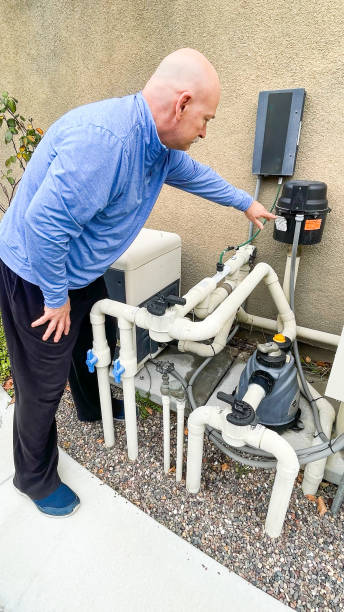
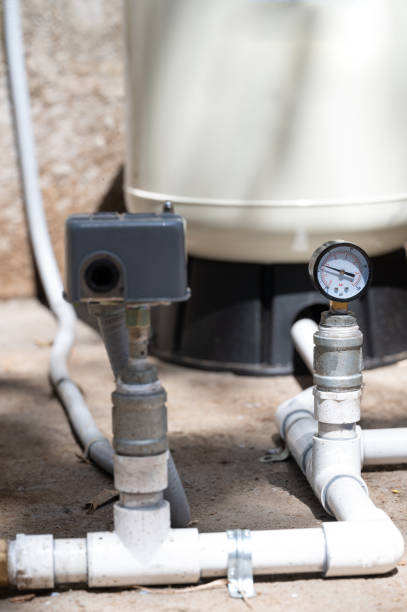
A pool pump is essential for maintaining clean, properly circulated swimming pool water. It moves water through the filtration system, removes debris, and helps distribute pool chemicals evenly. However, when your pool pump suddenly stops working, it can disrupt filtration and lead to cloudy water, algae growth, and other maintenance problems.
For homeowners in Houston, TX, where pools often operate for extended periods during warm weather, a malfunctioning pump can quickly become a concern. Understanding why your pool pump is not turning on can help you identify potential problems, avoid unnecessary repairs, and restore proper circulation.
Why Is My Pool Pump Not Turning On?
A pool pump may fail to start because of electrical problems, faulty components, overheating, or mechanical damage. Sometimes the issue is as simple as an incorrect timer setting, while other situations involve motor failure or damaged wiring.
The most common causes include:
- Tripped circuit breakers or power interruptions.
- Faulty timers or automation controls.
- Damaged motor capacitors.
- Overheated pump motors.
- Loose or damaged electrical connections.
- Jammed impellers or internal motor failure.
Identifying the actual cause is important before attempting repairs, particularly when electrical components are involved.
1. Tripped Circuit Breaker or Power Supply Problems
One of the first things to consider when a pool pump stops working is whether it is receiving electricity.
A circuit breaker may trip because of an electrical fault, overloaded circuit, or malfunctioning pump component.
Common Warning Signs:
- The pump makes no sound when switched on.
- The timer appears to work, but the motor does not start.
- The circuit breaker trips repeatedly.
Solution: Check the circuit breaker and the pump’s normal power controls. If the breaker has tripped, avoid repeatedly resetting it, especially if it trips again immediately.
A qualified technician should inspect recurring electrical faults to determine whether the problem involves wiring, the motor, or another component.
2. Faulty Pool Pump Timer or Automation System
Modern swimming pools often use timers or automated control systems to manage pump operation.
If these controls malfunction or are programmed incorrectly, the pump may not start at the expected time.
Common Causes:
- Incorrect timer schedules.
- Faulty relays or switches.
- Automation communication errors.
- Damaged control components.
Solution: Review the pump’s operating schedule and confirm that the system is set to the correct mode.
If the settings appear correct but the pump remains inactive, professional inspection may be necessary to check the control system.
3. Defective Pool Pump Capacitor
A capacitor helps certain pool pump motors start or operate efficiently. When it fails, the motor may struggle to turn on.
A defective capacitor is a common reason a pump produces a humming sound without starting.
Common Warning Signs:
- The motor hums but does not spin.
- The pump starts intermittently.
- The motor shuts down shortly after attempting to start.
Solution: Capacitor problems require electrical testing and proper replacement.
Because capacitors can retain a dangerous electrical charge even after power is disconnected, homeowners should not attempt to open or repair these components without appropriate training.
Professional pool pump services can help identify capacitor failures and determine whether replacement is necessary.
4. Pool Pump Motor Overheating
Pool pump motors generate heat during operation, but excessive temperatures may activate internal thermal protection and prevent the motor from running.
Overheating can result from poor ventilation, mechanical resistance, or electrical problems.
Common Causes:
- Blocked motor ventilation.
- Worn motor bearings.
- Incorrect electrical supply.
- Excessive mechanical strain.
- Internal motor damage.
Solution: Make sure the pump has adequate airflow and that nearby objects are not blocking ventilation.
If the motor repeatedly overheats or shuts down, turn it off and arrange a professional inspection. Repeatedly restarting an overheating motor may cause additional damage.
5. Jammed Pool Pump Impeller
The impeller is responsible for moving water through the pump. When debris becomes trapped inside the pump assembly, it may prevent the impeller from rotating freely.
A severely jammed impeller can cause the motor to hum, struggle to start, or shut down.
Common Causes:
- Leaves or small debris entering the pump.
- Damaged pump baskets.
- Foreign objects blocking internal components.
- Worn or damaged impeller parts.
Solution: Turn off the pump and disconnect its power before any maintenance.
Homeowners can empty accessible skimmer and pump baskets according to the manufacturer’s instructions. However, internal impeller inspection may require disassembly and should be handled by a qualified technician.
6. Damaged Pool Pump Motor
A failing motor is another possible reason a pool pump will not turn on.
Pool pump motors can deteriorate due to age, moisture exposure, overheating, electrical faults, or prolonged mechanical strain.
Common Warning Signs:
- Grinding or screeching noises before failure.
- A motor that no longer starts.
- Frequent electrical shutdowns.
- Burning odors or visible damage.
Solution: A professional technician should inspect the motor to determine whether repairing individual components is possible.
If the motor has extensive internal damage, replacement may be more practical than repeated repairs.
Experienced technicians providing pool pump service and repair can evaluate the motor and recommend an appropriate solution based on the equipment’s condition.
What Should You Check Before Calling a Pool Pump Technician?
Before arranging a repair appointment, homeowners can perform a few basic, noninvasive checks.
- Check the Timer Settings: Confirm that the pump is scheduled to operate.
- Inspect the Circuit Breaker: Look for a tripped breaker without repeatedly resetting it.
- Check the Pool Water Level: Low water may prevent proper circulation once the pump starts.
- Look for Visible Debris: Check accessible skimmer and pump baskets with the equipment turned off.
- Listen for Unusual Sounds: Humming, grinding, or clicking may help identify the problem.
- Inspect for Visible Damage: Look for leaks, moisture, or signs of overheating without touching electrical components.
If the pump still fails to start, professional troubleshooting is the safest next step.
How Can You Prevent Pool Pump Starting Problems?
Routine maintenance helps reduce unexpected pool pump failures and supports reliable operation.
Keep Pump Baskets Clean: Remove accumulated leaves and debris to prevent blockages.
Maintain Proper Water Levels: Ensure the pool has enough water for effective skimmer operation.
Clean Pool Filters: Follow the manufacturer’s maintenance recommendations to support proper circulation.
Provide Adequate Ventilation: Keep the pump motor’s ventilation openings clear.
Monitor Unusual Noises: Investigate grinding, humming, or other unfamiliar sounds before they worsen.
Schedule Regular Inspections: Professional pool pump services can identify developing mechanical and electrical issues before they cause complete equipment failure.
Regular maintenance cannot prevent every breakdown, but it helps reduce avoidable damage and extends the useful life of pool equipment.
Frequently Asked Questions (FAQs)
1. Why Is My Pool Pump Humming but Not Starting?
A humming pump may have a defective capacitor, jammed impeller, or internal motor problem. Turn off the equipment and arrange an inspection if the issue continues.
2. Can a Pool Pump Stop Working Because of Overheating?
Yes. Some pump motors have thermal protection that shuts them down when temperatures become excessive. Repeated overheating requires professional diagnosis.
3. How Do I Know If My Pool Pump Motor Is Bad?
Common signs include failure to start, unusual grinding noises, overheating, burning odors, and repeated electrical shutdowns.
4. Should I Repair or Replace a Pool Pump That Won’t Start?
Minor electrical or mechanical component failures may be repairable. Replacement may be more economical when the motor is severely damaged or the equipment has experienced repeated breakdowns.
5. Is It Safe to Troubleshoot a Pool Pump Myself?
Basic checks involving timer settings, water levels, and accessible baskets are generally manageable when performed safely. Electrical testing and internal motor repairs should be left to qualified professionals.
Professional Pool Pump Repair in Houston, TX
A pool pump that refuses to turn on can interrupt filtration, affect water quality, and create additional maintenance concerns. Whether the problem involves a faulty capacitor, damaged motor, electrical fault, or jammed impeller, identifying the cause early helps prevent further damage.
At Team Pool Service, we provide professional pool pump service and repair for homeowners in Houston, TX, and surrounding areas. Our team can help diagnose pump starting problems and recommend suitable repairs to restore proper circulation.
Contact Team Pool Service today to schedule an inspection and get your swimming pool pump running properly again.