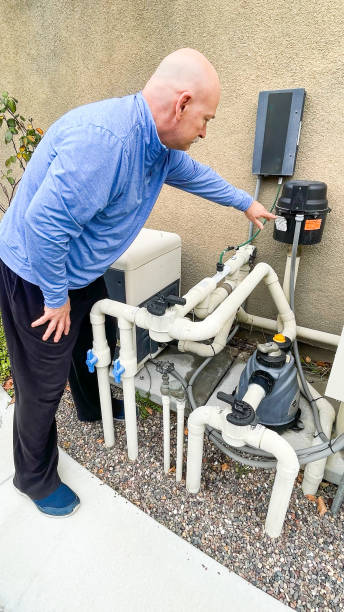
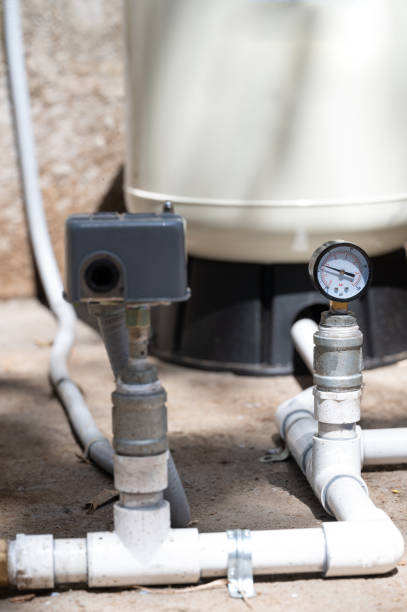
A swimming pool pump is responsible for moving water through the filtration system to keep the pool clean and properly circulated. When suction becomes weak, the pump may struggle to draw enough water, affecting filtration and overall pool performance.
Low pool pump suction is a common problem that can develop because of clogged baskets, air leaks, low water levels, or damaged equipment. For homeowners in Houston, TX, identifying these issues early can prevent unnecessary repairs and maintain consistent water circulation.
What Causes Low Pool Pump Suction?
Low pool pump suction occurs when the pump cannot draw sufficient water through the suction lines. This may result from blockages, air entering the plumbing system, or problems with internal pump components.
Common warning signs include weak skimmer suction, air bubbles in the pump basket, reduced return-jet flow, and difficulty maintaining pump prime.
Understanding the possible causes makes troubleshooting easer.
1. Clogged Skimmer or Pump Baskets
Skimmer and pump baskets collect leaves, dirt, insects, and other debris before they enter the circulation equipment.
When these baskets become overloaded, water flow decreases, making it difficult for the pump to maintain proper suction.
Solution: Turn off the pump and clean accessible baskets according to the manufacturer’s instructions. Remove accumulated debris and inspect the baskets for visible damage.
Regular basket cleaning helps maintain efficient circulation and prevents unnecessary strain on the pump.
2. Low Pool Water Level
A swimming pool requires sufficient water for the skimmer to operate correctly. When the water level becomes too low, the skimmer may draw air instead of water.
This can cause the pump to lose prime and reduce circulation efficiency.
Solution: Check the swimming pool’s water level and refill it to the recommended operating height.
If the water level continues dropping unexpectedly, investigate potential leaks or excessive water loss.
Maintaining adequate water levels helps prevent air from entering the suction system.
3. Air Leaks in the Suction Line
Air leaks are another common cause of weak pool pump suction.
These leaks may occur around the pump lid, plumbing connections, valves, or deteriorated O-rings. Even a small leak can allow air into the system and affect circulation.
Common Signs:
- Air bubbles inside the pump basket.
- Bubbles coming from return jets.
- Difficulty maintaining pump prime.
- Inconsistent water flow.
Solution: Inspect visible connections and seals with the equipment safely turned off. Persistent air leaks may require professional testing to locate damaged plumbing or worn components.
4. Blocked Pool Pump Impeller
The impeller moves water through the pump. When debris becomes trapped inside it, the pump may continue running without circulating sufficient water.
Leaves, hair, and small objects can restrict impeller movement and reduce performance.
Solution: Clean skimmer and pump baskets first. If suction remains weak, the impeller may require professional inspection.
Internal pump components should only be accessed after proper electrical isolation and following manufacturer safety procedures.
5. Incorrect Pool Valve Settings
Swimming pools often have multiple valves controlling water movement between skimmers, drains, and other equipment.
Incorrect valve positioning can restrict the amount of water reaching the pump.
Solution: Check that the circulation valves are positioned according to the pool’s normal operating configuration.
Avoid adjusting unfamiliar valves without understanding the plumbing arrangement. A pool technician can identify restrictions and correct improper settings.
6. Worn or Damaged Pump Components
As a swimming pool pump ages, internal components may deteriorate and affect performance.
Damaged impellers, worn seals, or mechanical problems can reduce the pump’s ability to maintain sufficient water flow.
Solution: Schedule a professional inspection when basic cleaning and water-level adjustments do not resolve the issue.
Timely pool pump repair can address damaged components and restore reliable circulation.
How to Troubleshoot Weak Pool Pump Suction
Homeowners can perform several simple checks before arranging repairs.
Check the Water Level: Make sure the skimmer has enough water to operate properly.
Clean the Baskets: Remove debris that may restrict water movement.
Inspect for Air Bubbles: Excessive bubbles may indicate suction-side air leaks.
Monitor Filter Pressure: Compare current readings with the system’s normal operating pressure. Low readings may indicate reduced pump flow, while high readings can indicate filter restrictions.
Review Pump Speed: Variable-speed pumps may produce less suction when operating at lower settings.
If suction remains weak after these checks, professional troubleshooting is recommended.
How to Prevent Low Pool Pump Suction
Preventive maintenance helps protect equipment and maintain effective pool circulation.
Important maintenance practices include
- Cleaning skimmer and pump baskets regularly.
- Removing floating leaves and debris.
- Maintaining proper pool water levels.
- Inspecting visible plumbing connections.
- Cleaning filters as recommended.
- Monitoring unusual pump noises.
- Scheduling routine equipment inspections.
Consistent care helps identify developing problems before they interrupt circulation.
When Should You Call a Professional?
Some suction problems can be resolved through basic cleaning. However, recurring air leaks, repeated loss of prime, or persistent circulation problems may indicate damaged plumbing or mechanical components.
A professional technician can inspect the complete circulation system and identify the underlying issue.
Reliable pool pump repair service helps homeowners address equipment problems without risking additional damage through improper repairs.
Frequently Asked Questions (FAQs)
1. Why Is My Pool Pump Suction Suddenly Weak?
Sudden suction loss may result from clogged baskets, low water levels, air leaks, or a blocked impeller.
2. Can a Dirty Filter Cause Low Pool Pump Suction?
A dirty filter can restrict overall water circulation. However, weak suction at the pump often involves a problem on the suction side of the system.
3. Why Does My Pool Pump Keep Losing Prime?
Common causes include low water levels, damaged pump lid seals, suction-line air leaks, and blocked plumbing.
4. Can Low Suction Damage a Pool Pump?
Yes. Operating with insufficient water flow or running dry can damage internal components, particularly mechanical seals.
5. How Often Should Pool Pump Baskets Be Cleaned?
Baskets should be checked during routine weekly maintenance and more frequently when leaves or debris accumulate.
Restore Your Pool Pump’s Performance With Team Pool Service
Low pool pump suction can affect filtration, water quality, and equipment performance. Identifying problems early and maintaining proper circulation helps prevent unnecessary repairs.
At Team Pool Service, we provide professional pool equipment inspections, maintenance, and repair solutions throughout Houston, TX, and surrounding communities.
Whether your pump is experiencing weak suction, recurring air leaks, or circulation problems, our technicians can help identify the cause.
Contact Team Pool Service today to schedule a pool pump inspection and restore proper water circulation.