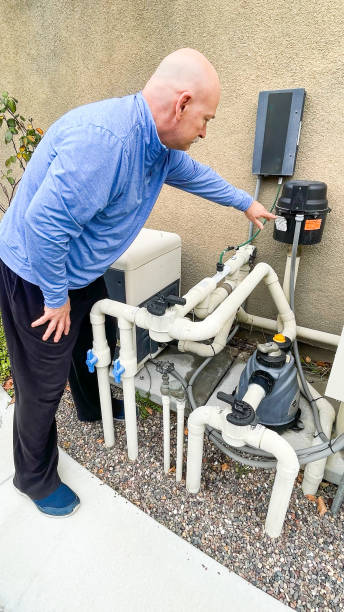
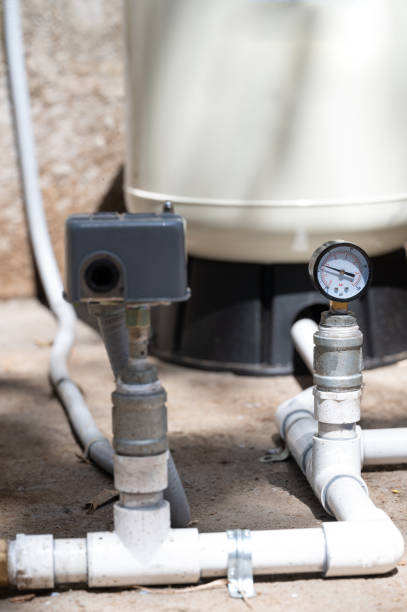
A swimming pool pump plays an essential role in keeping pool water clean, properly circulated, and filtered. It moves water through the filtration system, helping remove debris and distribute pool chemicals evenly. However, like any mechanical equipment, pool pumps can develop problems over time.
In Houston, TX, where pools often operate for extended periods due to warm weather, regular pump maintenance is especially important. Problems such as water leaks, unusual noises, motor failure, and poor circulation can affect the entire swimming pool system.
Understanding common pool pump problems helps homeowners identify warning signs, prevent expensive repairs, and maintain efficient pool operation.
What Are the Most Common Pool Pump Problems?
The most common pool pump problems include failure to start, unusual noises, water leaks, loss of prime, overheating, and weak water circulation. These issues may result from clogged components, damaged seals, electrical faults, or general equipment wear.
While some problems can be resolved through basic maintenance, others require professional inspection and repair.
1. Pool Pump Not Turning On
A pool pump that refuses to start is one of the most common equipment issues homeowners experience. This problem may occur suddenly or develop gradually as electrical or mechanical components deteriorate.
Common Causes:
- Tripped circuit breakers.
- Faulty motor capacitors.
- Damaged wiring or electrical connections.
- Malfunctioning timers.
- Motor failure.
Solution: Check the pump’s timer settings and circuit breaker. If the breaker repeatedly trips or the motor remains unresponsive, contact a professional technician. Electrical components should never be repaired without proper training.
2. Pool Pump Making Loud Noises
A properly functioning pool pump produces a consistent operating sound. Grinding, screeching, rattling, or unusually loud humming may indicate internal damage.
Common Causes:
- Worn motor bearings.
- Debris trapped inside the impeller.
- Loose components.
- Air entering the suction line.
- Motor deterioration.
Solution: Turn off the pump if unusual noises become severe. A technician can inspect the bearings, impeller, and motor to identify the problem. Addressing these noises early can prevent more extensive equipment damage.
3. Pool Pump Leaking Water
Water leaks around the pool pump can reduce equipment efficiency and potentially damage surrounding components. Leaks often develop when seals or plumbing connections deteriorate.
Common Causes:
- Worn shaft seals.
- Damaged O-rings.
- Loose plumbing fittings.
- Cracked pump housing.
- Deteriorated gaskets.
Solution: Inspect the visible areas around the pump for leaks while avoiding contact with electrical components. A technician may need to replace worn seals, repair connections, or inspect damaged parts.
Scheduling a professional pool pump repair service can help identify the source of persistent leaks and prevent additional damage.
4. Pool Pump Losing Prime
A pool pump loses its prime when air enters the system or the pump cannot maintin enough water for proper suction. This problem can interrupt circulation and reduce filtration performance.
Common Causes:
- Low pool water levels.
- Air leaks in suction plumbing.
- Loose pump lids.
- Damaged lid O-rings.
- Clogged skimmer baskets.
Solution: Check the swimming pool’s water level and clean accessible skimmer baskets. Inspect the pump lid for visible damage while the equipment is turned off. Persistent priming problems may require professional troubleshooting.
Never allow a pool pump to operate dry for extended periods, as this can damage internal components.
5. Pool Pump Running but Not Circulating Water
Sometimes a pump motor continues operating, but the swimming pool receives little or no water circulation.
This can reduce filtration efficiency and contribute to cloudy water or algae growth.
Common Causes:
- Dirty pool filters.
- Blocked impellers.
- Clogged suction lines.
- Incorrect valve positions.
- Air entering the circulation system.
Solution: Check the pool’s water level, clean the skimmer baskets, and inspect the filter according to the manufacturer’s instructions. If circulation remains weak, professional inspection may be needed to identify internal blockages or plumbing problems.
6. Pool Pump Overheating
Pool pump motors generate heat during operation, but excessive temperatures can cause automatic shutdowns and mechanical damage.
Common Causes:
- Poor motor ventilation.
- Worn bearings.
- Electrical faults.
- Incorrect voltage.
- Excessive mechanical resistance.
Solution: Ensure the motor has adequate ventilation and remove objects blocking airflow. If the pump repeatedly overheats, turn it off and arrange a professional inspection rather than continuously restarting it.
7. Pool Pump Turning On and Off Frequently
A pump that repeatedly switches on and off can indicate problems with its electrical controls or motor protection system.
Common Causes:
- Faulty timers or automation controls.
- Overheating motor components.
- Electrical supply issues.
- Malfunctioning relays.
Solution: Review the programmed operating schedule. If the pump continues cycling unexpectedly, a qualified technician should inspect its electrical controls and motor.
How Can You Prevent Pool Pump Problems?
Regular maintenance helps extend the lifespan of swimming pool equipment and reduces unexpected breakdowns.
Here are several useful preventive measures:
- Clean Pump Baskets: Remove leaves and debris before they restrict water circulation.
- Maintain Water Levels: Keep pool water at the proper level for effective skimmer operation.
- Inspect Pool Filters: Clean filters as recommended to maintain efficient water flow.
- Monitor Unusual Noises: Investigate changes in motor sounds before problems worsen.
- Check for Leaks: Look for visible moisture around plumbing connections and pump components.
- Schedule Equipment Inspections: Professional maintenance helps identify worn components and potential mechanical failures.
Preventive care can reduce repair expenses and help maintain consistent filtration performance.
When Should You Hire a Professional Pool Pump Repair Service?
Basic cleaning and maintenance can resolve some minor circulation problems. However, electrical failures, damaged motors, persistent leaks, and recurring priming issues generally require professional assistance.
Homeowners searching for pool pump repair near me should choose technicians who can inspect the entire circulation system and identify the underlying problem.
Professional technicians can evaluate pump motors, seals, impellers, electrical components, and filtration performance to recommend appropriate repairs.
Timely repairs also help prevent minor equipment problems from becoming more expensive failures.
Frequently Asked Questions (FAQs)
1. Why Is My Pool Pump Running but Not Pumping Water?
This may happen because of a clogged filter, blocked impeller, suction air leak, or low water level. Inspect accessible baskets and water levels before arranging professional troubleshooting.
2. How Long Does a Pool Pump Usually Last?
Many pool pumps operate for approximately 8–12 years, although actual lifespan depends on equipment quality, operating conditions, maintenance, and usage.
3. Why Is My Pool Pump Making a Grinding Noise?
Grinding noises commonly indicate worn motor bearings or internal mechanical problems. Turn off the pump and have it inspected before further damage occurs.
4. Is It Better to Repair or Replace a Pool Pump?
Minor problems involving seals, capacitors, or individual components may be repairable. Replacement may be more practical when the motor is severely damaged or the equipment experiences repeated failures.
5. Can a Pool Pump Run Without Water?
No. Running a pool pump without adequate water can damage mechanical seals and other internal components. Turn the pump off if it loses prime or stops circulating water.
Professional Pool Pump Repair in Houston, TX
Common pool pump problems can affect water circulation, filtration efficiency, and overall swimming pool performance. Identifying warning signs early and scheduling timely maintenance helps protect equipment and avoid unnecessary expenses.
At Team Pool Service, we provide reliable pool pump repair service for homeowners throughout Houston, TX, and surrounding areas. Our team helps diagnose pump failures, circulation problems, leaks, and other equipment issues.
If you’re searching for pool pump repair near me, Team Pool Service can help restore reliable pool pump performance.
Contact Team Pool Service today to schedule professional pool pump inspection and repair.