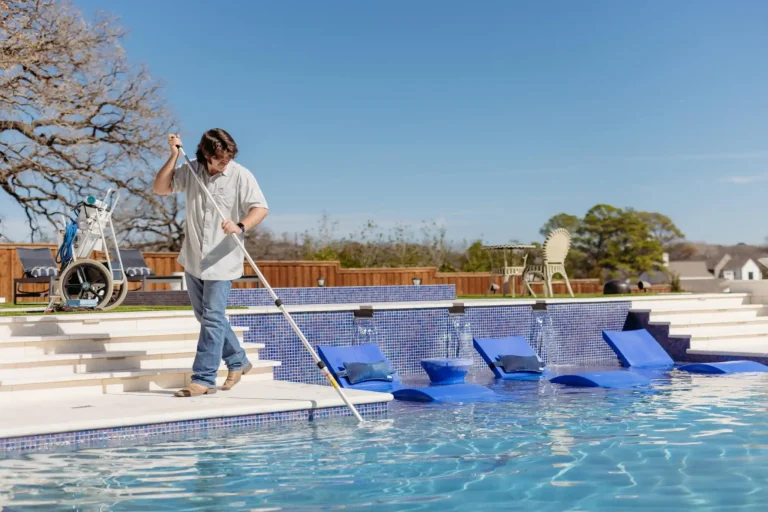
Keep Your Pool Sparkling Clean All Year Long
There’s nothing better than diving into a crystal-clear pool on a hot Houston summer day. But behind that inviting, shimmering water is a consistent cleaning routine that keeps it safe, healthy, and beautiful. Whether you’re a new pool owner or a seasoned pro, knowing the best way to clean a swimming pool can save you time, money, and a lot of frustration.
In this guide, we’ll walk you through everything you need to know about proper pool cleaning — from skimming the surface to balancing your water chemistry. And if it all sounds like a lot of work (because it is), we’ll explain why hiring a local pool cleaning service in the Greater Houston area might be the smartest decision you make this season.
Why Regular Pool Cleaning Matters
Skipping pool maintenance even for a week can lead to serious problems. Houston’s warm, humid climate creates the perfect environment for algae growth, bacteria, and debris buildup. Without regular cleaning, your pool can quickly turn green, cloudy, or even unsafe for swimming.
Beyond aesthetics, a neglected pool can damage expensive equipment like pumps, filters, and heaters. Regular cleaning protects your investment and ensures your pool stays ready to use whenever you want it.
The Best Way to Clean a Swimming Pool: A Step-by-Step Breakdown
Step 1: Skim the Surface
The first step in any pool cleaning routine is removing debris from the surface. Leaves, bugs, grass, and dirt collect on top of the water daily — especially in Houston, where trees and landscaping are everywhere.
Use a long-handled leaf skimmer to sweep the surface every day or every other day. This simple habit prevents debris from sinking to the bottom, where it becomes much harder to remove and starts affecting your water chemistry.
Step 2: Brush the Walls and Floor
Algae and bacteria love to cling to the sides and floor of your pool. Even if the water looks clean, brushing the walls, steps, and floor at least once a week is essential.
Use a pool brush attached to a telescoping pole and scrub in circular motions, working your way from the shallow end to the deep end. Pay special attention to corners, steps, and behind ladders — these are prime spots for algae to hide and grow.
Step 3: Vacuum the Pool
After brushing, it’s time to vacuum up everything that has settled on the pool floor. You have a few options here:
- Manual pool vacuums attach to your skimmer and require you to move them across the floor yourself
- Automatic pool cleaners move around on their own and require less hands-on effort
- Robotic pool cleaners are the most advanced option, operating independently and filtering debris directly
For Houston pool owners dealing with frequent debris from storms and heavy tree coverage, an automatic or robotic cleaner can be a real time-saver.
Step 4: Clean the Skimmer and Pump Baskets
Your skimmer basket and pump basket catch debris before it reaches the filter. If these baskets get too full, water flow is restricted, which puts strain on your pump and reduces filtration efficiency.
Check and empty these baskets at least once a week. During periods of heavy debris — like after a storm — you may need to empty them more frequently.
Step 5: Backwash or Clean the Filter
Your pool filter is one of the most important pieces of equipment you own. It continuously removes particles and contaminants from the water. There are three common types of pool filters:
- Sand filters — require backwashing when pressure rises 8–10 PSI above normal
- Cartridge filters — need to be removed and rinsed with a garden hose every few weeks
- DE (diatomaceous earth) filters — require backwashing and periodic deep cleaning
No matter which type you have, keeping your filter clean ensures your water stays clear and your pump doesn’t have to work overtime. In Houston’s heat, filters can clog faster than expected, so check yours regularly throughout the season.
Also read: How to Maintain a Swimming Pool: A Complete Guide for Houston Homeowners
How to Balance Pool Water Chemistry
Test Your Water Regularly
Cleaning the physical surface of your pool is only half the job. Water chemistry is just as important — and this is where many pool owners struggle. You should test your pool water at least two to three times per week during swim season.
The key levels to monitor include:
- pH — should be between 7.2 and 7.6
- Chlorine — free chlorine should be between 1 and 3 ppm
- Total alkalinity — ideal range is 80 to 120 ppm
- Calcium hardness — aim for 200 to 400 ppm
- Cyanuric acid (stabilizer) — should be between 30 and 50 ppm
Use a reliable test kit or test strips to check these levels. You can also bring a water sample to a local pool supply store for a more detailed analysis.
Shock Your Pool When Needed
Shocking your pool means adding a large dose of chlorine to destroy bacteria, algae, and other contaminants that regular chlorination can’t handle alone. You should shock your pool:
- Every one to two weeks during peak swim season
- After a heavy rainstorm
- After a pool party with heavy usage
- When the water looks cloudy or has an odor
In Houston’s intense summer heat, UV rays break down chlorine faster than in cooler climates, making shocking even more important for local pool owners.
Add Algaecide as a Preventive Measure
Algae can take over a pool surprisingly fast, especially in warm and humid conditions. Adding an algaecide once a week as part of your regular maintenance routine helps prevent algae blooms before they start. It’s much easier — and cheaper — to prevent algae than to treat it after it appears.
Also read: Winterizing Pool Chemicals: The Complete Guide to Closing Your Pool the Right Way
How Often Should You Clean Your Pool?
Here’s a quick summary of recommended cleaning frequency:
Task | Frequency
Skimming surface | Daily or every other day
Brushing walls and floor | Weekly
Vacuuming | Weekly
Emptying skimmer baskets | Weekly (more after storms)
Testing water chemistry | 2–3 times per week
Shocking the pool | Every 1–2 weeks
Cleaning the filter | Monthly or as needed
DIY Pool Cleaning vs. Hiring a Professional
Maintaining a pool yourself can absolutely be done — but it takes time, knowledge, and consistency. For busy Houston homeowners, juggling work, family, and everything else life throws at you, that consistency can be hard to maintain.
The Benefits of Professional Pool Cleaning
A professional pool cleaning service brings expertise, proper equipment, and a reliable schedule to your backyard. Here’s what you get when you hire the pros:
- Consistent maintenance — no more forgetting to test your water or shock the pool
- Expert water balancing — technicians know exactly how to adjust chemicals for Houston’s climate
- Equipment inspections — professionals can spot small problems before they become expensive repairs
- More time for you — spend your weekends enjoying the pool instead of cleaning it
Trust the Greater Houston Area’s Pool Cleaning Experts
If you’re ready to stop stressing about pool maintenance and start enjoying your backyard oasis, our team is here to help. We serve homeowners throughout the Greater Houston area with reliable, professional pool cleaning services tailored to your needs and your budget.
From weekly cleanings and water treatments to equipment checks and algae removal, we handle it all — so your pool is always ready when you are.
Contact us today to schedule your first pool cleaning and experience the difference a professional touch can make.
A clean pool is a happy pool — and a happy pool makes for a happy summer. Don’t wait until there’s a problem. Stay ahead of maintenance and enjoy every swim.
Check out our Pool Service in Houston